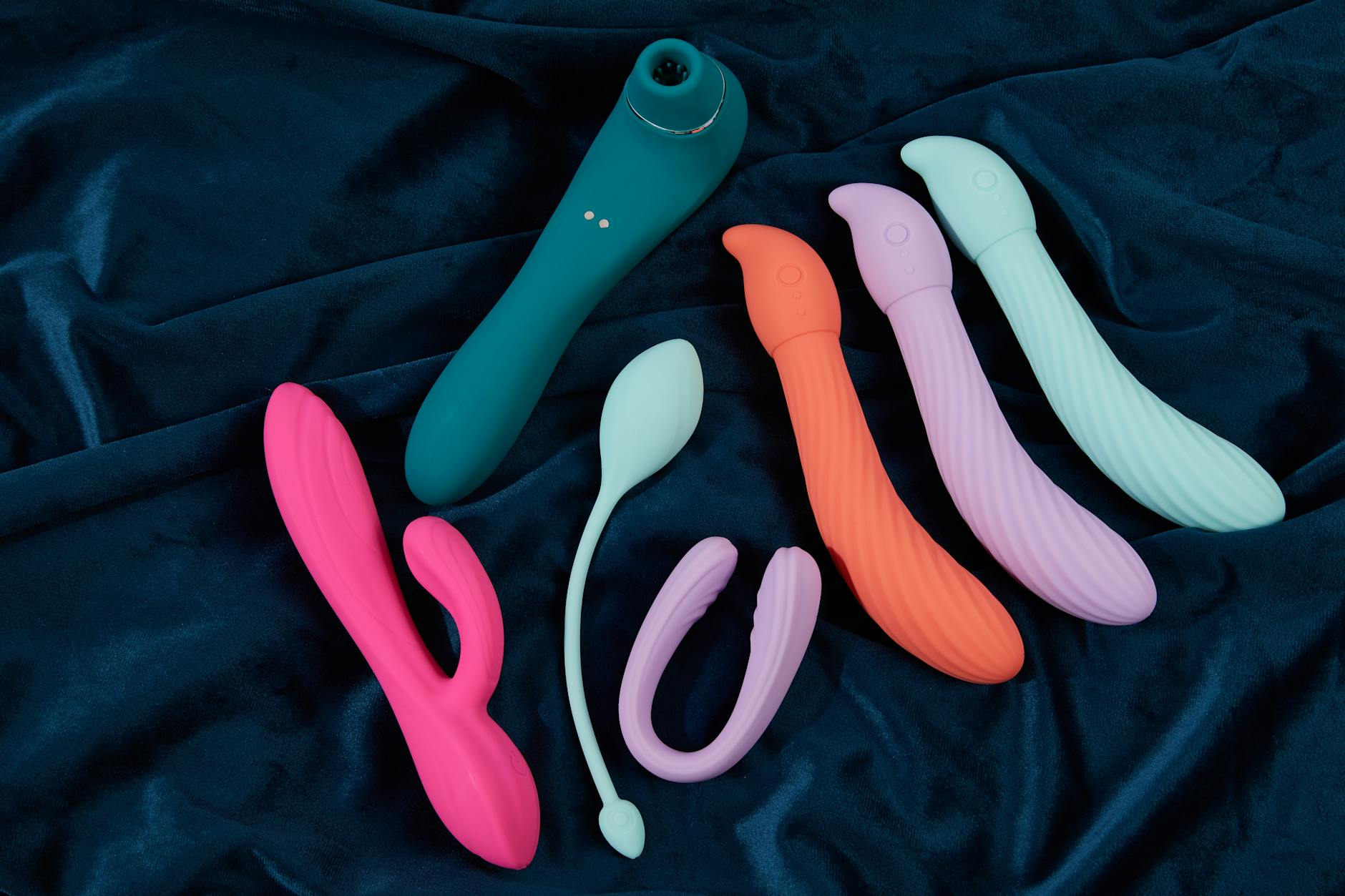
Most couples think introducing a clitoral vibrator into foreplay will feel awkward. It doesn't. What actually happens is simpler: one partner gets more pleasure, and the other gets to feel the pleasure they're giving. That's it. That's the upgrade.
The tension that exists is usually not about the vibrator itself. It's about permission. Permission to ask for what feels good. Permission to slow down and pay attention. Permission to let pleasure lead instead of performance. A lemon vibrator, used well during foreplay, gives you all three.
Let me separate this into two things: how your body experiences it, and how your partner does.
When you're using a clitoral vibrator with a partner present, your nervous system is processing two inputs at once. The physical sensation from the lemon vibrator on your clitoris, and the emotional sensation of being seen while receiving pleasure. Most people have spent years making sure no one notices what actually feels good. Foreplay with a lemon vibrator reverses that. You become the person receiving, not managing.
For your partner, introducing a lemon sucker or clitoral vibrator into foreplay means their hands are freed up. They're not trying to be the source of all sensation. They can touch your body, watch your face, pay attention to you in ways that manual stimulation alone doesn't allow. Some partners find this more intimate, not less.
The second thing: suction-based stimulation from a lemon clitoral vibrator works on a different nerve pathway than fingering does. It's less direct friction, more surface tension. This means you can often stay in foreplay longer without the kind of intensity buildup that can make things feel too fast or too much.
Don't introduce a lemon vibrator mid-foreplay the first time. Talk about it when you're both clothed, both calm, and neither of you is touching the other.
The script doesn't have to be complicated. "I've been curious about trying a clitoral vibrator during foreplay. Would you be open to that?" Full stop. Let them respond.
If they say yes, ask what they're imagining. Do they think they'll use it? Do they want to watch? Do they want to hold it? Different partners will have different fantasies here, and you don't know which one until you ask. Some people imagine themselves using the lemon vibrator on their partner. Others imagine their partner using it on themselves while they watch. Some want to try both.
If they hesitate or say no, don't push. The resistance is almost never about the vibrator. It's about uncertainty. Ask what the concern is. "Does it feel weird to you?" "Are you worried it means you're not enough?" "Do you just need time to think about it?" Different questions get different answers, and different answers need different next steps.
Timing matters. Start a lemon vibrator about 10 to 15 minutes into foreplay, not at the beginning. Your body needs time to warm up and become aroused before introducing any device. If you jump straight to the lemon clitoral vibrator when your vulva isn't yet engorged and receptive, it'll feel weird rather than good.
Position your body so your partner can see what's happening. This isn't about performance. It's about access and attention. If you're lying on your back or sitting propped up against pillows, your partner can touch your thighs, your chest, your face while you're using the vibrator. This is where the real intimacy lives. The vibrator handles one job. Your partner's hands and attention handle everything else.
Start the lemon vibrator on the lowest setting. Pattern 1 or 2 on the Lem, if you're using Hello Nancy's device. Your clitoris is already warmed up and responsive, which means higher intensity might feel jarring rather than pleasurable. You can always turn it up. You can't un-turn it up mid-moment.
Your partner can use this time to kiss your neck, touch your breasts, run hands along your sides. Foreplay isn't just about the genital area. It's about building arousal across your whole body. A clitoral vibrator handles the precise, focused work. Your partner handles everything else.
Sometimes a lemon vibrator feels uncomfortable during foreplay. Maybe the angle is wrong. Maybe your clitoris is more sensitive than you expected. Maybe the pattern feels strange in combination with your partner's touch.
Stop. Talk about it. "The pressure feels like too much" or "Can you try touching my thigh instead?" These are not failures. They're data. You're learning what works in real time.
The other thing that sometimes happens is your partner gets self-conscious. They watch the vibrator and wonder if you're having more fun with it than with them. This is worth naming directly. "I love that you're here. I love being watched. This vibrator is just another tool, like my hand or your mouth." That lands differently than silence.
Not every foreplay session ends in penetrative sex. But many do, and a lemon vibrator can help the transition.
As arousal builds and you're getting closer to orgasm with the vibrator, you and your partner can decide together whether to keep going toward climax this way, or to shift into penetration while still using the vibrator. Some couples love the sensation of continued clitoral stimulation during sex. Others find the vibrator is the thing that brings pleasure to completion, and penetration is separate.
There's no rule here. The rule is: check in with each other. "Do you want to keep going this way?" "Should we try something different?" These tiny micro-conversations are what separates mechanical sex from intimate sex.
If you do shift to penetration, you can set the vibrator aside, keep it running against your clitoris, or have your partner hold it while they're inside you. All of these are legitimate choices. The first time you try it, you won't know which one you prefer. That's fine. You'll figure it out.
Here's a pattern I see again and again with couples using clitoral vibrators: foreplay gets longer because there's less pressure on the penis to do all the stimulation work. That sounds mechanical, but it's not. What actually happens is your nervous system relaxes slightly. You're not waiting for penetration to happen. You're not timing things. You're just present.
Your partner, meanwhile, gets to slow down. They can pay attention to you instead of managing their own arousal or worrying about lasting long enough. This is where couples often report deepest foreplay, because everyone's actually here.
Use a water-based lubricant with your lemon sucker or any lemon clitoral vibrator. Even if your body is producing plenty of natural lubrication, adding lube reduces friction and extends foreplay time without discomfort. It also makes cleanup easier afterward.
Using a clitoral vibrator with a partner changes something about vulnerability. You're asking for pleasure out loud. You're receiving in front of someone. You're not pretending. This is harder than it sounds, which is why the first time often feels awkward even if the physical sensation is good.
Give yourself permission for that awkwardness. It passes. By the third or fourth time you're using a lemon vibrator during foreplay together, it becomes normal. By the tenth time, it becomes part of your rhythm as a couple.
If your partner is the one using the vibrator on you, there's a different vulnerability. You're trusting them with your pleasure. You're letting them decide the speed, the pattern, the angle. This requires a different kind of presence from both of you. Some couples find this creates the deepest connection. Others prefer to keep control of their own vibrator. Again, no right answer.
Yes, but start with the conversation first. The lemon vibrator should feel like an upgrade to something you're already doing well together, not a replacement for it. If you're both comfortable with the idea and curious, jumping in is fine. Just make sure you've talked about it beforehand so nobody's surprised.
Try it once with low expectations. You're not committing to anything. You're testing. See how it feels. If it's not for you, you have that information. If it is, great. Most people's hesitation disappears the moment they experience it rather than imagine it.
There's no should. Some people orgasm with the vibrator and that's the end of foreplay. Others use it to build arousal and then shift to penetration or oral sex. Some people use it to come twice, once alone and once during sex. Figure out what your body wants in the moment.
Wash it with warm soapy water before and after each use. If you're moving between different types of stimulation, wipe it down between activities. All Hello Nancy toys are body-safe silicone, so they're easy to clean and durable for regular use.
You're probably staying on it too long at too high an intensity. Take a break. Let sensation reset. Then try a lower pattern or shorter sessions. Your clitoris needs breaks just like any other part of your body. Overstimulation is real, and it's the reason many people think vibrators stop working for them. Usually they just need a rest day.
Maybe. It depends on where your pain is and what causes it. If direct clitoral touch hurts, using a vibrator might intensify that. If your pain is deeper or in a different area, a lemon clitoral vibrator might feel great. Start gentle, go slow, and pay attention to your body's signals.
Introducing a lemon vibrator into foreplay with your partner is an act of trust and clarity. You're saying: here's what I want. Here's how I want to receive pleasure. Here's how I want you involved. That clarity is rare in long-term relationships. Most couples either assume they know what the other person wants, or they never ask at all.
A clitoral vibrator can't create intimacy on its own. But it can create the conditions where intimacy becomes possible. It slows things down. It makes pleasure visible. It requires communication. Start there, and see where it leads.