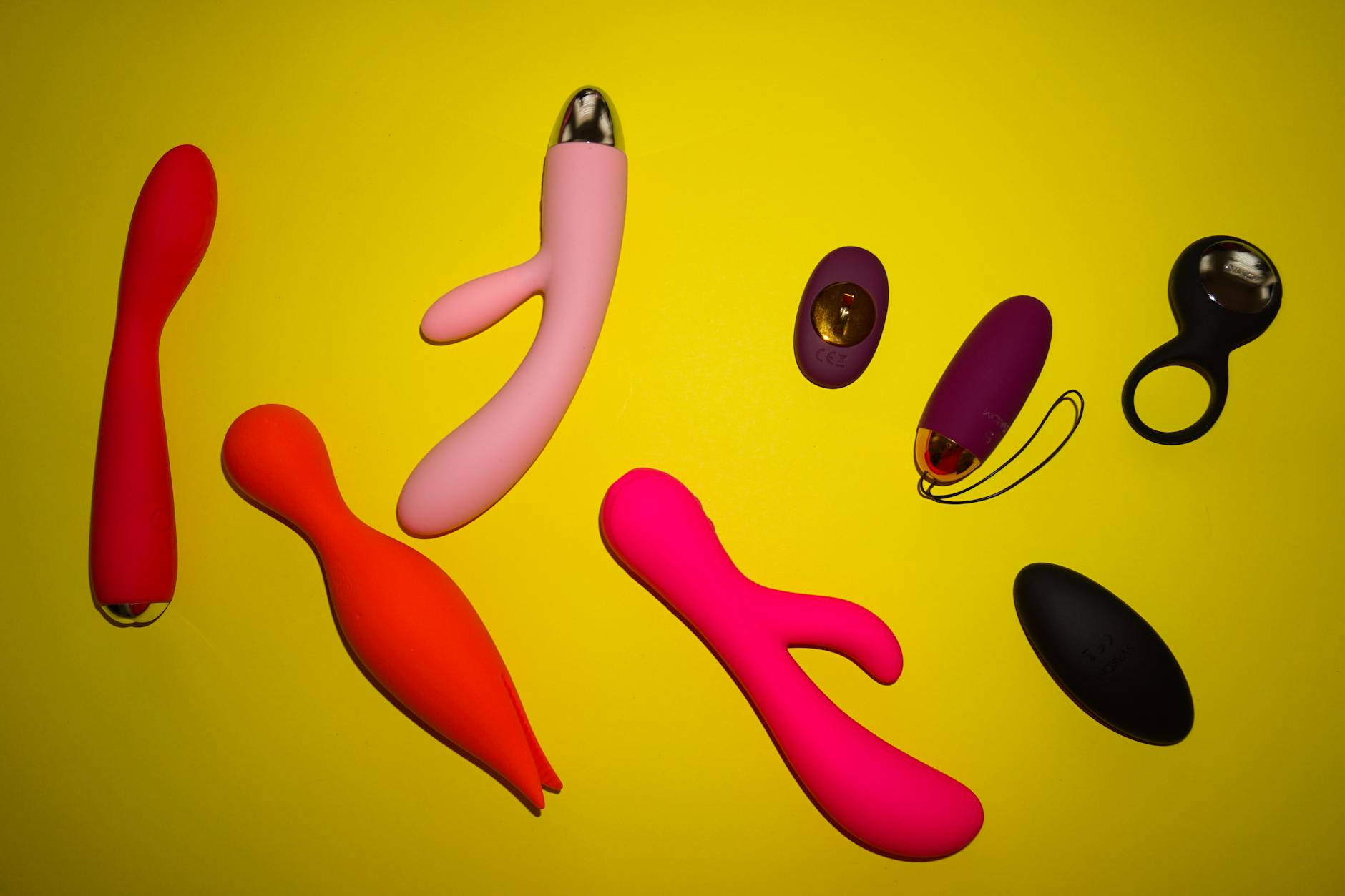
Let's be real. You've heard that vibrators are supposed to be amazing, so you're expecting fireworks. Instead, you touch yourself or use a toy and it feels like your clitoris is screaming. It's not what you signed up for, and it's frustrating as hell.
Clitoral oversensitivity is wildly common and wildly undertalked about. It's also not permanent, and it's definitely not a reason to give up on pleasure.
Your clitoris has more nerve endings per square inch than almost anywhere else on your body. That's why it feels so good when it's happy. It's also why it can feel overwhelming, tender, or even painful when something goes wrong.
Here are the main culprits:
Friction overload. If you've been using a toy with too much direct pressure or vibration intensity, the tissue gets irritated and raw. It's like rubbing the same patch of skin too hard with a rough cloth. Everything hurts after that.
Hormonal shifts. Estrogen changes how sensitive tissue is. Right before your period, during ovulation, or during hormonal transitions, your clitoris can feel extra tender. Same with pregnancy, postpartum recovery, or perimenopause.
Yeast or bacterial irritation. Sometimes oversensitivity isn't about the toy at all. It's a low-grade infection that's making everything feel raw. Worth checking with a doctor if it's new or ongoing.
Pelvic floor tension. A tight pelvic floor can make the clitoris feel hypersensitive even when nothing is wrong with the tissue itself. The tension radiates to the whole area.
Anxiety or stress. Your nervous system directly controls how sensitive your clitoris is. When you're stressed or anxious, your body can literally turn up the sensitivity dial.
Here's the thing about lemon clitoral vibrators and suction toys like the Lem. They work differently than traditional vibrators. Instead of buzzing or jabbing at the tissue, they use gentle suction that stimulates nerves without direct mechanical pressure. If your clitoris is already angry, aggressive vibration is the last thing it needs.
The Lem vibrator gives you several huge advantages when you're dealing with oversensitivity:
Gentler pattern options. You can start at intensity level 1 or 2 and barely feel it. There's no need to go hard right away. That's not an option with most wand massagers.
Suction instead of vibration. Suction creates a wider, gentler pull across the tissue rather than pinpoint pressure. Many people with sensitive clitorises find this wildly more comfortable than direct vibration.
Easier to control. You can hover the toy slightly away from your body instead of making direct contact. The sensation travels through the tissue without the harsh impact.
No friction. A lemon sucker doesn't require the kind of rubbing motion that irritates raw tissue. It's all about gentle rhythm and intensity control.
If your clitoris is oversensitive, your warm-up and approach matter way more than the toy itself. Here's my protocol:
Start with zero pressure and zero expectation. Spend 5-10 minutes just being present in your body. Touch other parts of yourself first. Your breasts, your thighs, your belly. Let your nervous system calm down before you even approach the clitoris.
Use plenty of water-based lubricant. Lube isn't just about comfort. It creates a protective barrier that reduces friction and irritation. Apply it generously to your vulva and to the rim of the lemon vibrator.
Begin at the lowest intensity setting. If your Lem vibrator has multiple patterns, start with the gentlest one. Let your body acclimate for at least 2-3 minutes before you change anything.
Position it below or to the side. Instead of placing the toy directly on the clitoris, position it slightly lower on the labia or to the side. You want the suction effect to travel to the clitoris without targeting it directly. Think of it as giving the tissue a gentle invitation rather than a direct stimulation.
Build intensity slowly. Once your body feels ready, you can gradually increase the suction level. This might take 15 to 25 minutes. That's not wasted time. That's your body healing.
If you feel sharp pain (not just sensitivity, but actual pain), stop immediately. Put the toy down. Sharp pain is your body saying something is wrong.
If the sensation doesn't improve after 10 minutes of gentle play, take a break. Your nervous system might need more recovery time.
If oversensitivity is brand new and comes with itching, discharge, or odor, see a doctor. That's usually a sign of infection, and you'll want to address that first before using any toy.
Honestly, I see more resolution of clitoral oversensitivity through nervous system work than through equipment changes alone. Your clitoris is wired directly to your brain and your pelvic floor. If you're anxious, tense, or stressed, that information travels straight down there.
So part of your recovery protocol should include:
Deep breathing before and during play. Breathe in for four counts, hold for four, exhale for four. This signals safety to your nervous system and literally changes how sensitive the tissue is.
Pelvic floor relaxation. Learn to relax, not just strengthen, your pelvic floor. Kegels are important, but so is the opposite. Actually releasing the tension in those muscles. If you're constantly clenching, your clitoris will stay in pain.
Stress management outside the bedroom. Yoga, walks, therapy, journaling. Whatever helps your nervous system feel safer in general will help your clitoris feel better during pleasure too.
Patience with yourself. Clitoral oversensitivity doesn't resolve in a day. It usually takes a few weeks of gentle, consistent play for the tissue to heal and your nervous system to reset. That's normal.
If oversensitivity has been going on for more than a few weeks, or if it comes and goes unpredictably, talk to a gynecologist. Sometimes oversensitivity is a sign of vulvodynia or another condition that needs professional care. That's not a failure on your part. That's just information that helps you find the right solution.
A physical therapist who specializes in pelvic health can also be game-changing. They can help you release tension in the pelvic floor that might be making everything feel worse.
Clitoral oversensitivity is frustrating, but it's not permanent. When you understand what's causing it and you approach pleasure with the right tools and timing, most people find their sensitivity normalizes pretty quickly. A lemon clitoral vibrator gives you the gentleness and control you need while your body heals. Combined with nervous system care and patience, you'll get back to enjoyment without the pain. Your pleasure matters. So does your comfort.
Yes, but with modifications. Position the toy slightly away from your clitoris instead of directly on it. Let the suction sensation travel to the tissue without making direct contact. Start at the absolute lowest intensity and build from there. Many people find that this indirect approach is comfortable when direct touch isn't.
It varies. If oversensitivity is tied to a hormonal cycle, it usually resolves within a few days to a week. If it's from friction irritation, it typically improves within 2-3 weeks of gentle play and rest. If it's tied to anxiety or pelvic floor tension, it might take 4-8 weeks of consistent nervous system work. If it's a medical condition like vulvodynia, recovery is more individualized and often requires professional support.
For many people, yes. The suction-based stimulation of a lemon vibrator is gentler than the direct vibration of traditional vibrators. It covers a wider area of tissue and creates less friction. That said, every body is different. Some people find any toy too much and need to focus on touch and nervous system work first. The best toy is always the one that feels good to your body.
Try a different type. Water-based lubes are gentlest, but some people are sensitive to certain ingredients. Hypoallergenic lubes are worth trying. You could also experiment with a silicone-based lube if water-based irritates you (just don't use silicone lube with silicone toys). If all lube feels worse, your clitoris might need more rest and more nervous system care before you're ready to play again.
Most of the time, no. It's usually hormonal, stress-related, or from friction irritation. But if oversensitivity is new, severe, or comes with other symptoms like discharge, pain during everyday activities, or unprovoked burning, see a doctor. Conditions like vulvodynia, lichen sclerosus, or infections need professional diagnosis. Getting checked out isn't overkill. It's smart.
Not necessarily. Complete rest sometimes helps, but gentle, low-intensity play can actually support healing. The key is listening to your body. If gentle play feels soothing, it's probably helping. If it feels irritating or painful, rest is the move. There's no one right answer. Your body will tell you what it needs.