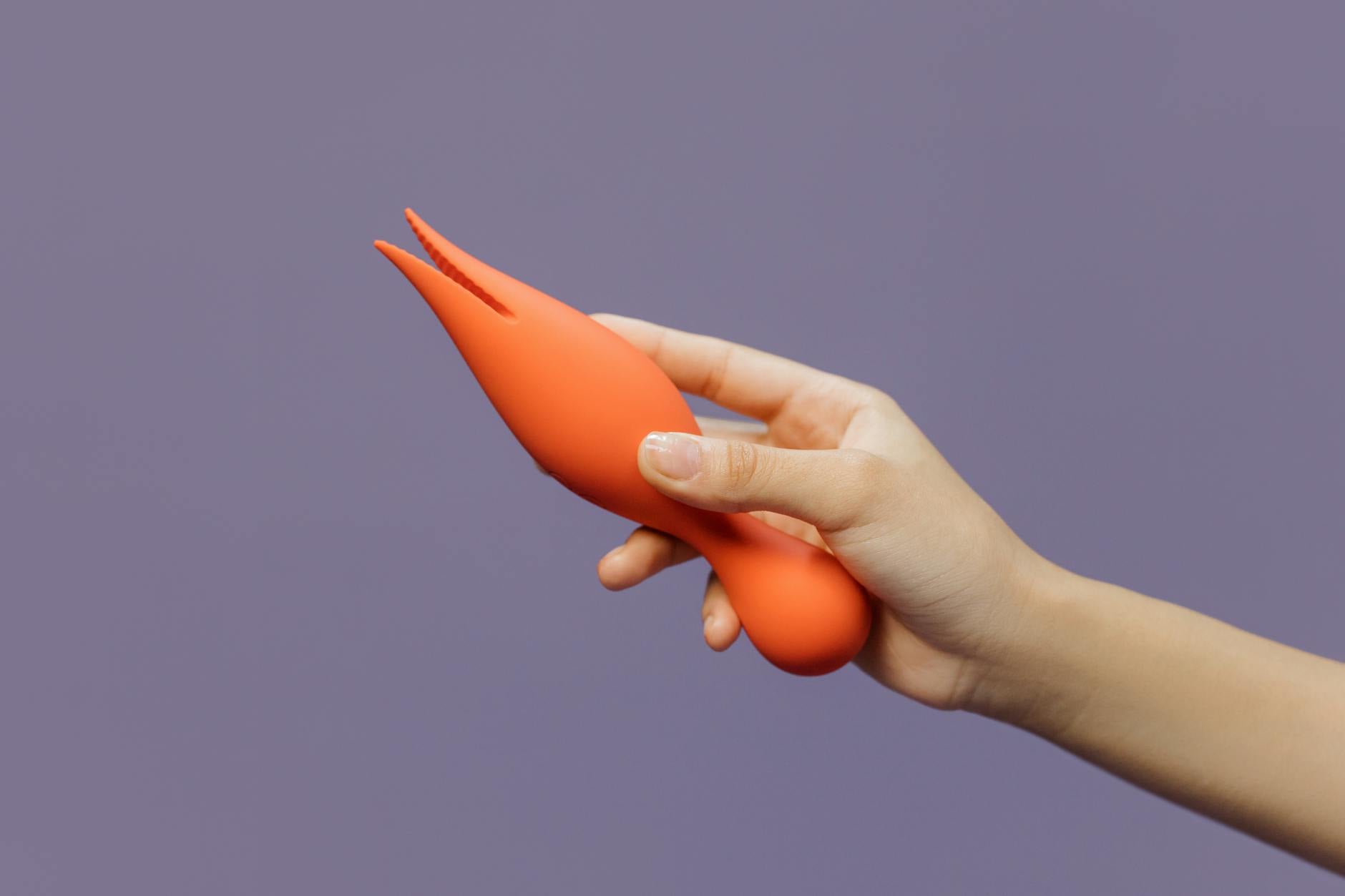
How to Use a Lemon Vibrator When You Need Extra Lubrication and Comfort
Dryness doesn't mean you stop. Here's the smart way to use a clitoral vibrator when moisture is low, what lubricants actually work, and why comfort changes everything.
You don't need lubrication for a Lemon vibrator the way you do for penetrative sex. That's the myth that stops people from using toys comfortably. But needing extra moisture during vibrator use is not a flaw. It's normal, changeable, and absolutely worth solving because comfort transforms the whole experience.
Dryness during sexual play happens for concrete reasons: hormonal changes, stress, certain medications, not enough arousal time, or simply individual variation. None of these things mean you should white-knuckle through discomfort or avoid pleasure altogether.
Unlike internal toys, a Lemon clitoral vibrator sits against external tissue that's sensitive and thinner than most people realize. When you add vibration to dry skin, two things happen. First, the sensation can feel sharp or uncomfortable instead of pleasurable. Second, repeated friction without moisture can irritate tissue over time, which then creates a feedback loop that makes arousal harder next session.
Lubricant changes this entirely. It reduces friction, amplifies sensation by smoothing the vibration against your skin, and signals to your body that this is safe and pleasurable. Good lube is not a sign something is broken. It's the difference between discomfort and real pleasure.
The second thing people miss: lubrication helps a Lemon vibrator actually reach the right spots. The slick layer lets the toy glide into position without dragging, so you can find the angle and pressure that work best for you. Without it, you're fighting friction instead of exploring sensation.
Not all lubes are created equal when you're using toys. Here's the tier system I recommend.
Water-based lubricants (the safest choice for vibrators). These are your first option. They're compatible with any toy material, easy to clean, and won't degrade silicone. Look for brands labeled "water-based" and check the ingredient list. You want glycerin, propylene glycol, or aloe as the base. Apply generously. Water-based lube does tend to dry out during longer sessions, which means you'll need to reapply every 10-15 minutes, but that's actually a built-in pause that helps some people regulate intensity.
Silicone-based lubricants (richer, longer-lasting). These glide better than water-based and last much longer, so you won't need constant reapplication. The catch: they can degrade some silicone toys over time. Since Lemon vibrators are made from body-safe silicone, check the product instructions first. Some modern lemon adult toys are silicone-safe, but not all. If you're unsure, water-based is the safer bet.
Hybrid lubricants (trying to split the difference). These combine water and silicone bases and claim the best of both worlds. They work fine with vibrators, last longer than pure water-based, and won't damage silicone as aggressively as pure silicone lubes. Fair option if you want something in between.
Oil-based lubricants (skip these for toys). Natural oils, coconut oil, and other oil-based products will degrade silicone, trap bacteria, and cause infections. Not worth it.
There's a technique here that most people skip. Don't just squeeze lube directly onto your genitals and hope for the best. Instead, warm up the lube between your fingers first. Cold lube against sensitive skin is jarring and makes arousal harder. Rub a small amount between your palms for five seconds and then apply it.
For the toy itself, put lube on the vibrating surface that will touch your body. Not the handle, not the sides. Just the contact point. A dime-sized amount is enough to start. You can always add more, but too much lube actually reduces sensation because it creates a barrier between the vibrations and your tissue.
When you're ready, hold the toy gently against your body and let the vibrations do the work. Don't press hard. The lube plus the vibration pattern does the job. Pressing hard actually reduces sensation and can cause irritation faster than gentle contact.
During longer sessions, lube dries out or gets absorbed. You'll notice sensation shifting from smooth to a bit sticky or draggy. That's your signal to pause, add a thin layer of fresh lube, and continue. This isn't annoying. It's actually helpful because those pauses give you a moment to check in with your body and adjust intensity if needed.
Set a timer if you're trying a new toy for the first time. Stop every 10 minutes and assess. Does sensation feel good? Is your skin irritated? Are you enjoying this? If the answer to any of those is no, pause, add more lube, adjust pressure, or try a different pattern. Your body will tell you what works.
If you're consistently dry during arousal and lube isn't solving the discomfort, something else might be at play. Certain antidepressants, hormonal birth control, and stress all suppress lubrication. Some people naturally produce less vaginal moisture. Neither is a problem. But if dryness is coupled with pain, itching, or burning, that's worth talking to your doctor about. Conditions like vulvodynia or genitourinary syndrome need clinical attention, not just better lube technique.
Also consider your warm-up time. Dryness sometimes signals that arousal hasn't built yet. Most people need 15-20 minutes of foreplay or solo exploration before the body is ready for toy use. Rushing past that makes everything feel off. Slow down. Your body will cooperate.
Here's something nobody talks about: using lube can feel like admitting something is wrong. It's not. It's the opposite. Using lube is claiming that your pleasure matters enough to remove friction, literally and figuratively. It's setting the conditions for a good experience instead of powering through discomfort.
If a partner is involved, normalize the conversation. "I want to use lube during this" is not a request for debate. It's information. A responsive partner will see this as you taking care of yourself, not as a problem they caused. If they push back, that's a different conversation entirely.
Once you've opened a bottle of lube, keep it sealed between uses. Water-based lubes can develop mold or bacteria if left open in a damp bathroom. Silicone-based lubes are more stable but should still be stored in a cool, dry place. Check the expiration date. Old lube can irritate tissue.
After using your Lemon vibrator with lube, rinse it under warm water with a tiny bit of soap. Don't soak it unless the manual says that's okay. Pat it dry and store it in a clean pouch or drawer. Lube residue left on the toy will attract dust and degrade the material faster.
Everyone's comfort threshold is different. What works for your friend might feel wrong for you. The only way to know is experimentation. Buy a small bottle of water-based lube, use it with your Lemon vibrator for a few sessions, and pay attention. Does it feel better? Do you need less of it or more? Is your skin happy after? Adjust from there.
When you find the right lube and application method, you'll notice the difference immediately. Sensation improves. Pleasure deepens. Arousal builds faster. That's not coincidence. That's what happens when you remove friction and prioritize comfort. Your body responds to care.
Not if the vibrator is silicone, which most clitoral vibrators are. Oil-based products degrade silicone over time, which shortens the life of your toy and can cause the material to break down in ways that aren't safe. Stick to water-based or silicone-based lubes designed for toys. Your toy will last longer and work better.
Less than you think. A dime-sized amount on the vibrating surface is enough. Too much lube creates a barrier that muffles sensation. If you're using water-based lube and it dries out, add another small amount instead of flooding the area. Quality over quantity applies here.
Some people react to common lube ingredients. If you have sensitive skin or a history of yeast infections triggered by lube, look for oil-free, glycerin-free water-based options. Hypoallergenic lubes exist and work fine with vibrators. Test a small amount on your inner arm first if you're unsure.
No. Lubrication is normal. Some people produce more natural moisture, others less. Hormones, stress, hydration, certain medications, and individual variation all play a role. Using lube is not a sign of dysfunction. It's a practical tool that makes pleasure more comfortable and accessible.
Technically yes, but it's not ideal. Saliva dries quickly, doesn't provide sustained glide, and can introduce bacteria. Water-based lube is thicker, lasts longer, and is formulated to be body-safe. For solo or partnered use, a proper lubricant is worth the minimal investment.
Technically, any body-safe lubricant works for either. But external play benefits from a smoother glide and faster absorption, so water-based lubes work great. For penetration, some people prefer thicker silicone-based lubes that last longer. The same lube can do both jobs, but you might find you prefer different products depending on what you're doing.
Comfort is not negotiable, and neither is your pleasure. When you use the right lube with a Lemon vibrator and take time to find what feels good, the whole experience shifts. You deserve that shift. Get the lube, apply it generously, and explore.