Let's be real about what changes after 40
Menopause doesn't kill pleasure. What it does is rewire how your clitoris responds to touch. Estrogen drops, tissue thins, and the speed of arousal slows. Your sensitivity shifts from a sharp, immediate spark to something more diffuse, something that needs a different kind of pressure to truly ignite.
That's not loss. That's a plot twist.
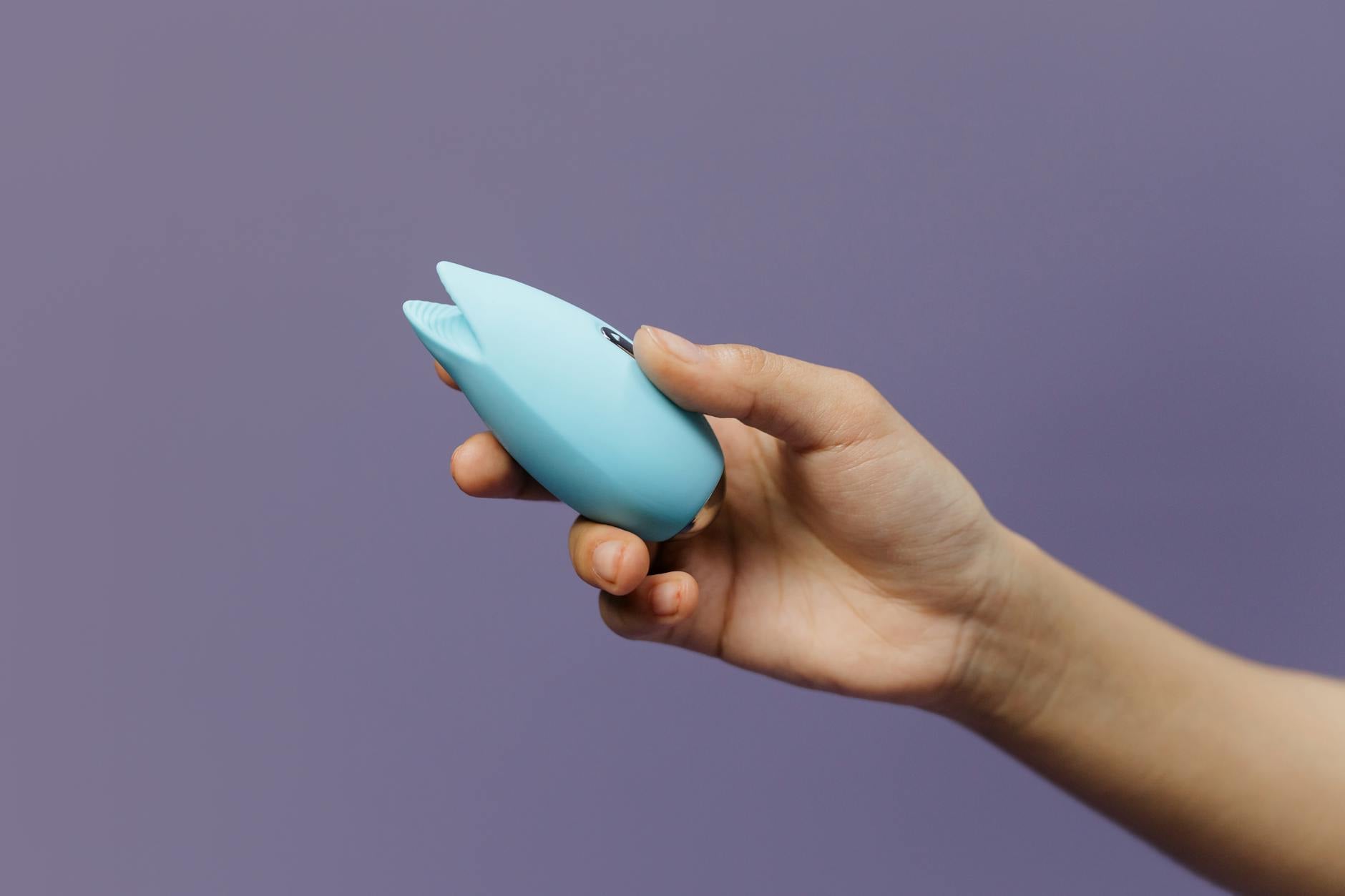
For a lot of people, this is the moment they discover that a lemon vibrator works better than anything they've tried before. And there's actual science behind why.
Why clitoral sensitivity changes at midlife
Your clitoris is one of the most sensitive tissues in your body. It gets its blood flow and nerve density from robust estrogen signaling. When estrogen drops by up to 80% during menopause, a few things happen almost immediately.
First, the epithelial layer (the surface skin) thins. This doesn't mean you're broken. It means the architecture of pleasure is different now. A thin layer of tissue actually needs less pressure to reach the nerves underneath, but it also needs protection from the wrong kind of pressure. Direct friction against thinner tissue can feel sharp or uncomfortable instead of good.
Second, blood flow to the clitoris decreases. This affects how quickly arousal builds and how intense the sensations feel. Where you might have felt a response in 30 seconds at 25, you might need three to five minutes at 55. That's not numbness. That's just slower ramping.
Third, your pelvic floor loses some of its estrogen-fed elasticity. This changes how orgasms feel. They might feel more localized rather than full-body. They might arrive differently or take longer to build. All of this is completely normal and almost always improvable with the right approach.
Why lemon vibrators work so well for post-menopausal bodies
Let me break down the architecture of a lemon clitoral vibrator. Unlike traditional bullet vibrators or wand massagers, a lemon sucker (or air-pulse vibrator) works through rhythmic suction and release rather than direct vibration. This is crucial for post-menopausal sensitivity.
When you apply a lemon vibrator to the clitoris, it creates a gentle seal and then pulses that seal. The stimulation doesn't come from the vibrator moving against your tissue. It comes from a pressure wave that stimulates the nerve endings without direct friction. For someone with thinner clitoral tissue, this is the difference between comfortable and uncomfortable. It's the difference between