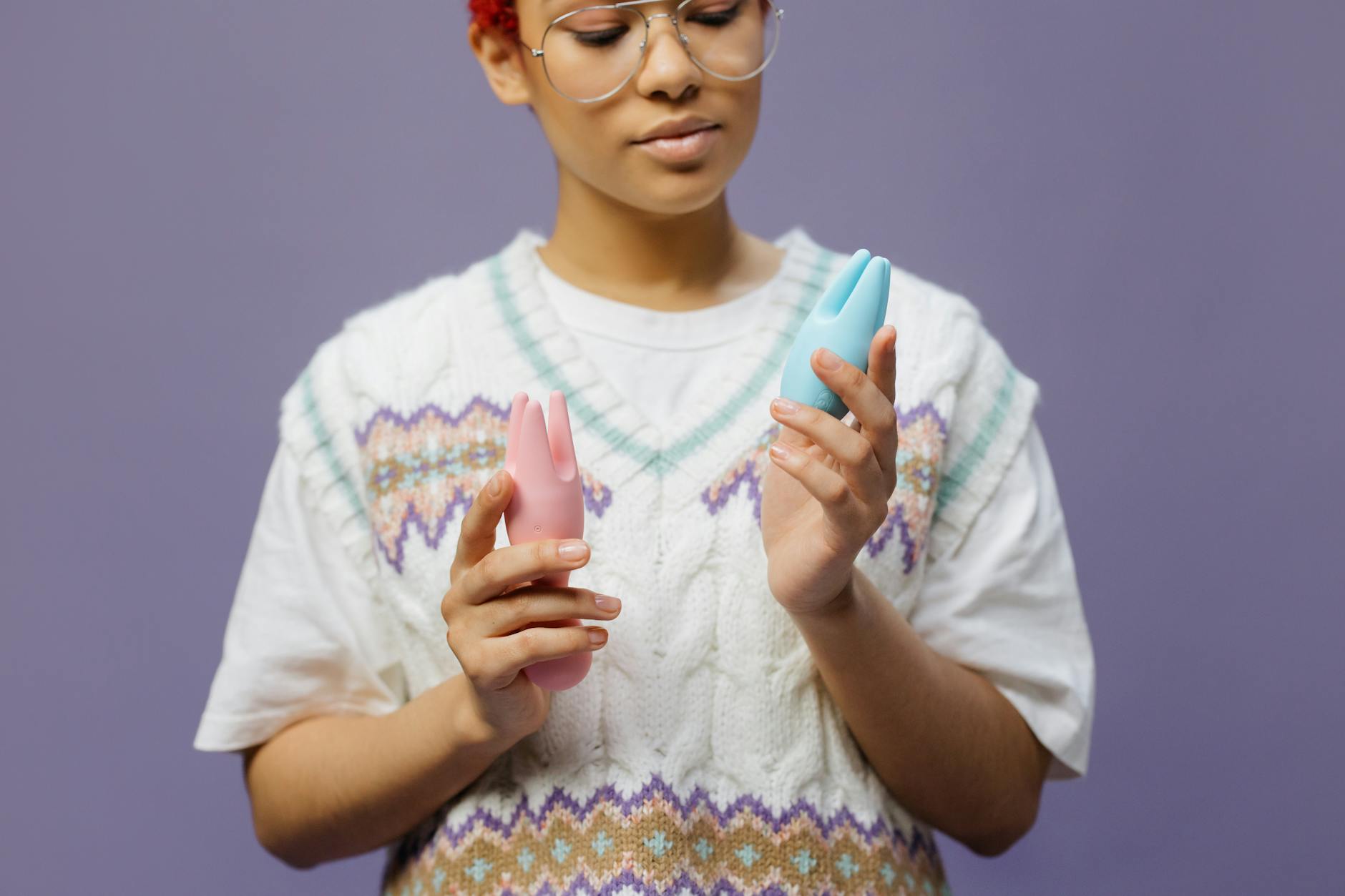
How to Rebuild Clitoral Sensation With a Lemon Vibrator When Numbness Returns
Desensitization happens to almost everyone at some point. Here's why lemon clitoral vibrators reset sensation differently, what pause patterns actually work, and how long real recovery takes.
You've been using your lemon vibrator for months or years. It worked beautifully at first. Then one day you realize the sensation isn't quite there anymore. You turn up the intensity. It helps, but not like it used to. The nerves aren't firing the way they did, and that's genuinely scary because you wonder if you've broken something permanent.
You haven't. Clitoral desensitization is neurological, not structural. It's fixable, and it often responds faster to intentional pauses than people expect.
Your clitoris has about 8,000 nerve endings packed into a space smaller than a pea. Those nerves are exquisitely sensitive to stimulation patterns, pressure changes, and novelty. When you use the same rhythm, intensity, and sensation repeatedly, your nervous system adapts. It's the same reason your phone's vibration feels less noticeable after a week of carrying it in your pocket.
This isn't a sign you've used your lemon vibrator too much. Desensitization happens with any repetitive stimulation. It happens to people who use their fingers, toys, or partners. It happens whether you're 22 or 52. The frequency of use matters less than the predictability of the pattern.
Intensity plays a role too. Higher settings on a lemon clitoral vibrator create stronger adaptation because the nerve response is more dramatic. This is why some people find that lower intensities for longer periods actually preserve sensation better than occasional high-intensity sessions.
A lemon sucker works through pulsed suction, not vibration. This matters for recovery because the stimulation pattern is fundamentally different from what your nerves have adapted to. If you've been using a traditional vibrator, switching to a lemon clitoral vibrator introduces novelty at the neurological level, even if you're using it daily.
Second, suction stimulates different nerve receptors than direct pressure or vibration. The pulsing suction rhythm on the lemon vibrator creates waves of pressure and release, which your nervous system experiences as a fresher stimulus. You're not just turning up the intensity. You're changing the type of sensation entirely.
This is why people who've hit a numbness plateau often report that their first session with a lemon vibrator feels shockingly intense, even at lower settings. You're waking up nerve pathways that aren't fatigued from repetitive stimulation.
Honestly, the best recovery tool isn't a new toy. It's time off. But I know that's not what you want to hear, so let me be specific about what "time off" actually means.
Complete abstinence for 2-4 weeks resets most desensitization. During this period, your nerve endings downregulate their adaptation response. The clitoral tissue returns to baseline sensitivity. Two weeks in, most people report that even a gentle touch feels noticeably stronger than it did before the pause.
If a full break feels impossible, strategic pauses work too. This means using your lemon vibrator 3-4 days a week with at least two full days off between sessions. On off days, avoid all clitoral stimulation, including hand contact or partner touch in that area. This sounds rigid, but the research on sensory adaptation suggests it works because your nervous system needs genuine recovery time, not just switching between different stimuli.
When you return to your lemon vibrator after a pause, start at the lowest setting. Intensity will feel stronger than you remember. That's not the vibrator changing. It's your sensation normalizing.
Some people can't face two weeks without clitoral play, and that's fine. There's a middle path. Rotate between different types of stimulation. One day, use your lemon vibrator at a low intensity for 20 minutes without chasing orgasm. Just sensation exploration. Next day, try a different toy entirely, like a quieter vibrator. The day after that, hands only. The day after that, off completely.
This approach keeps you engaged but prevents the nervous system from building adaptation to any single pattern. The key is that each session is genuinely different in terms of pressure, rhythm, or tool. Switching between intensities on the same lemon vibrator doesn't count. Your nerves notice the difference between a suction toy and a vibrator much faster than they notice the difference between intensity 3 and intensity 4 on the same device.
If you're partnered, this is a good moment to bring a partner into the recovery process. Different hands feel different. Different rhythms matter. A partner's touch reintroduces variability that solo play sometimes loses, even with a lemon clitoral vibrator.
How long numbness takes to develop often tells you how long recovery will take. If you hit a plateau after six months of daily use, expect four weeks of recovery. If it took a year, budget six to eight weeks. The nervous system's adaptation response is roughly proportional to the time spent in the repetitive pattern.
That said, people often see noticeable improvement within one week of intentional pausing. The first off-day is rough. By day three, sensation starts creeping back. By day seven, most people report at least 30-40% improvement. Full recovery tends to take longer, but the momentum is usually visible fast enough to feel hopeful.
Once you've been through desensitization, you learn to read your body's signals earlier next time. Numbness doesn't just appear overnight. There's usually a month-long window where you notice the sensation is duller or it takes longer to reach orgasm. That's the signal to change something.
Building in planned rotation prevents adaptation from building in the first place. This doesn't mean you have to use different toys every session. It means one week, you use your lemon vibrator three times. The next week, you use it twice and try something else once. By varying frequency and switching tools every few weeks, you're basically preventing your nervous system from ever settling into full adaptation.
Intensity variation helps too. If you always use your lemon vibrator at setting 5, your nerves will adapt to setting 5 specifically. Mix it up. Start at 2, move to 4, go back to 3. Your nervous system experiences this as novelty, and novelty prevents adaptation.
If numbness doesn't improve after four weeks of consistent pausing, or if sensation loss is accompanied by pain, talk to a gynecologist. Vulvodynia and other nerve conditions can mimic desensitization but require different approaches. A good provider will ask about your use patterns and help you distinguish between adaptation and an underlying condition.
Some people also benefit from pelvic floor physical therapy during recovery. Tension in the pelvic floor can reduce sensation and slow recovery time. A pelvic floor specialist can help you learn to relax those muscles, which often accelerates the whole process.
Desensitization is your nervous system doing exactly what it's supposed to do. The fix is straightforward. You just have to trust the timing.
Most people feel noticeable improvement within 3-7 days of complete abstinence from clitoral stimulation. Significant recovery usually takes 2-4 weeks. The timeline depends on how long the adaptation period was and whether you're continuing to use other stimulation. If you're taking a complete break, improvement is usually faster.
Yes, but with conditions. Use it at the lowest setting, keep sessions to 15-20 minutes maximum, and space them out to at least every other day. The goal is stimulation without reinforcing the adaptation response. If you notice sensation getting worse instead of better within a week, switch to complete abstinence.
No. Clitoral nerve endings don't wear out or sustain damage from stimulation, even intense or prolonged use. Desensitization is purely a nervous system adaptation response. It reverses completely with rest and pattern variation. There's no permanent change to the tissue.
Because you haven't adapted to the suction pattern yet. A lemon clitoral vibrator creates a different type of stimulation than a traditional vibrator, so your nervous system experiences it as novel. That novelty feels more intense at first. With regular use of the same lemon vibrator, the sensation will eventually adapt again, which is why rotation still matters.
If your partner is involved in your sexual life, yes. They might notice changes in your response that they're interpreting as lack of interest rather than desensitization. Explaining what's happening prevents emotional misunderstanding. You might also want their help with the rotation strategy, since partner touch is a form of stimulation variation that can support recovery.
Recovery feels like gradual return of sensation over days or weeks. Worsening feels like progressive loss over the same period. The other marker is orgasm quality. During recovery, orgasms usually feel more intense or come faster. During worsening, they feel more distant or harder to reach. Track this over a one-week period. If the trend is up, you're recovering. If it's down, your strategy needs to change.