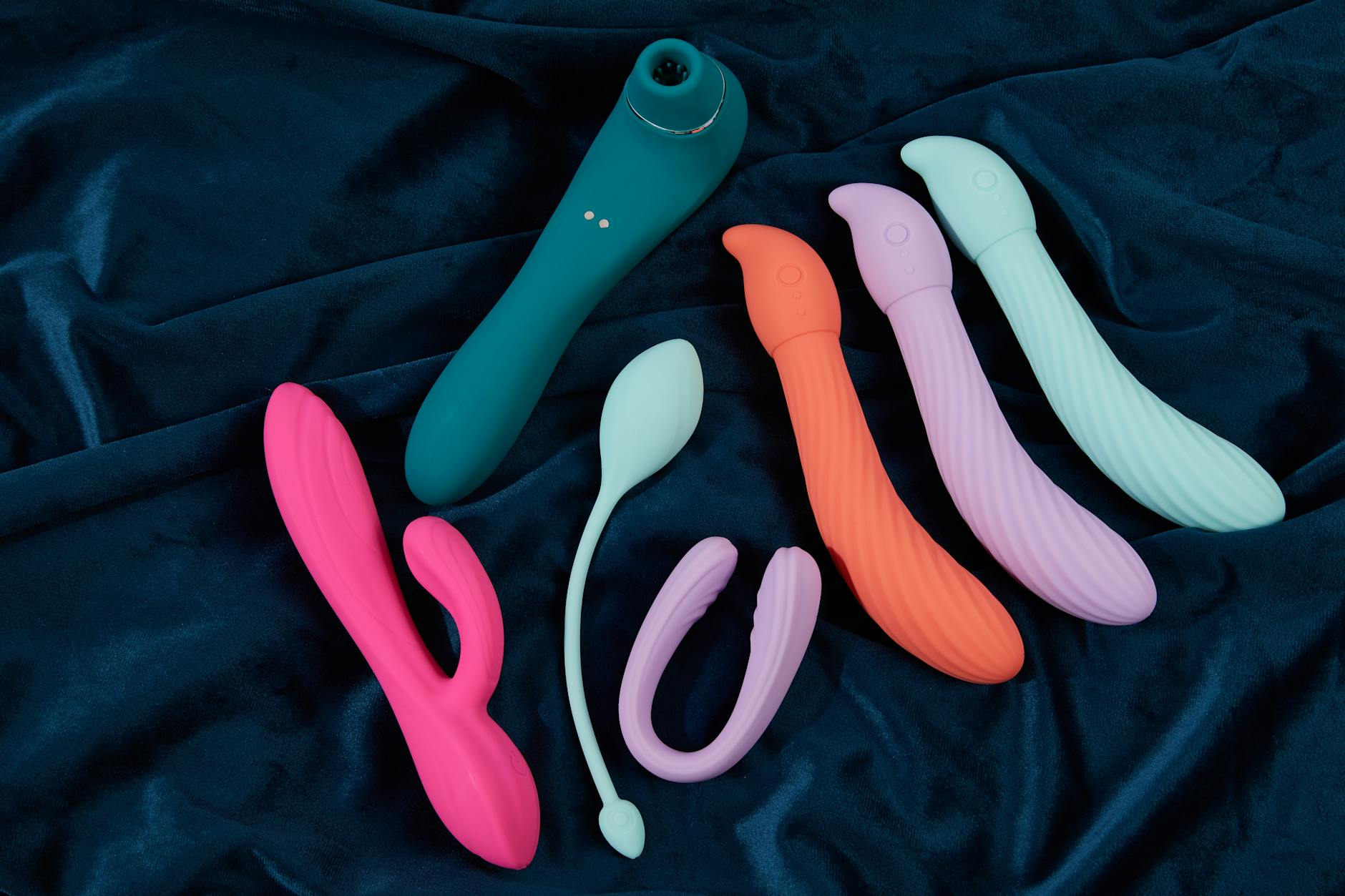
Why Lemon Vibrators Feel Better After Hormonal Changes
When estrogen drops or birth control shifts your body's chemistry, clitoral stimulation changes. Suction-based vibrators like the Lem adapt to what your body actually needs right now.
Your clitoris doesn't change when your hormones do. But the tissue around it does. And that shift transforms what actually feels good.
If you've noticed that your old go-to vibrator suddenly feels weird, or that you need completely different stimulation than you did five years ago, you're not imagining it. Hormonal changes like menopause, perimenopause, stopping hormonal birth control, or even postpartum shifts literally reshape your clitoral tissue and how it responds to touch. The vibrators that worked beautifully at 30 might feel wrong at 45. And that's not a problem with you.
This is where lemon vibrators and suction-based clitoral stimulation become game-changing. They work with your body's new chemistry instead of against it.
Estrogen is the backup singer in this story. It doesn't do pleasure directly, but it does almost everything else. It keeps tissue thick, elastic, and well-supplied with blood. It maintains the network of nerve endings that register sensation. It keeps lubrication flowing.
When estrogen drops (whether suddenly at menopause or gradually on certain birth control methods), that tissue gets thinner. The nerve density doesn't change, but the tissue around those nerves becomes more delicate. This is exactly why direct, intense vibration sometimes starts to feel too sharp or irritating when it used to feel amazing.
This isn't weakness. It's physiology. And it explains why so many people report that their most satisfying orgasms came after learning to work with their body instead of fighting it.
Traditional vibrators work by moving back and forth or in circles. They create friction and pressure. That's perfect when you have thicker tissue that can handle impact. But thinner, more sensitive tissue often responds better to a completely different kind of stimulation.
Suction-based vibrators like the Lem create a seal around the clitoris and use gentle pulsing or rhythmic suction. Instead of friction against the tissue, suction pulls the clitoral body upward and creates internal stimulation. It's less about pressure against delicate external tissue and more about activating the entire clitoral structure, which extends several inches inside your body.
The result: stronger sensation with less potential for irritation. Many people with hormonal changes report that lemon clitoral vibrators feel closer to how their body wanted to be touched in the first place, but they never had the right tool.
After hormonal shift: pattern and rhythm matter more than raw speed. The Lem's rhythmic pulses feel more satisfying than a traditional vibrator running at full power.
This isn't random. Rhythmic stimulation actually works better for climax than sustained intensity, neurologically speaking. Most people just never had a tool that made rhythm feel as good as power felt before.
It's one of those moments where your body isn't broken. It's actually showing you what it wanted all along.
A better lemon vibrator is part of the picture, but not the whole one.
Lubrication matters more now. Water-based lube isn't optional anymore. It's essential. Your body might not produce as much lubrication, and the tissue is more prone to micro-tears without it. Use generously and reapply if you're going longer than 20 minutes.
Warm-up time changes. Arousal builds more slowly after hormonal shifts. Budget 15 to 25 minutes of foreplay or solo exploration before using the lemon vibrator. This isn't a flaw in your body. Slower arousal actually correlates with longer, more intense orgasms if you give yourself time.
Start lower, go slower. The Lem has multiple intensity levels. Most people post-hormonal-shift find that patterns 1 through 3 feel more natural than jumping to 5 or 6. You can always turn it up. You can't un-irritate tissue.
Pelvic floor tension makes everything harder. If you're gripping during arousal, that tightness actually blocks pleasure and makes orgasm harder to reach. If this is you, spend time learning to relax your pelvic floor. Literally breathe into your pelvic floor, let your stomach soften, and notice when you're clenching. Progress here pays off faster than any other single adjustment.
If you're using a lemon vibrator with a partner, this shift in your body's needs is actually a gift, even though it might not feel like it at first.
Here's why: most penetrative partnered sex creates friction and pressure, which is what your body probably loved before hormonal changes. After hormonal shifts, that same intensity can feel uncomfortable or even painful. Introducing a suction vibrator into partnered sex lets you get the kind of stimulation your body actually craves right now, while your partner experiences intimacy with you in a different way.
It's not a replacement. It's a conversation your body is having with both of you. If you can talk about it without shame, it deepens trust and pleasure simultaneously.
Your clitoris has about 8,000 nerve endings concentrated in the visible tip. But the internal structure of your clitoris is much larger—it extends up and back inside your body, with branches that respond to stimulation deep inside. Traditional vibrators mostly stimulate the external tip. Suction vibrators activate the whole system.
When estrogen drops, stimulating just the tip becomes less effective because the tissue is thinner and more sensitive to pressure. But stimulating the deeper structures of the clitoris through suction can feel much more intense and satisfying. It's like your body switched from needing surface-level pressure to needing a deeper kind of touch.
This is why so many people report that the Lem or other lemon vibrators deliver the strongest orgasms of their lives after hormonal changes. It's not magic. It's physics and biology cooperating.
If you're experiencing pain during arousal or stimulation that didn't exist before, see a menopause-trained gynecologist or sexual health specialist. Genitourinary syndrome (GSM) is real and treatable, usually with topical estrogen or other straightforward interventions. Pain is not a prerequisite for pleasure after hormonal change.
If your desire has completely disappeared and isn't bouncing back after a few months, that's also worth discussing with a doctor. Testosterone therapy or other medical support might be relevant. Hormonal changes affect desire through multiple pathways, and sometimes you need more than a better vibrator.
Hormonal changes feel like a loss until you find tools and techniques that work with your body instead of against it. A lemon sucker vibrator like the Lem isn't a compromise. For most people going through hormonal shifts, it's actually the thing their body has been asking for all along.
Your pleasure didn't end. It changed shape. And sometimes the shape it takes now is better than what came before.
After menopause, estrogen drops and clitoral tissue becomes thinner and more delicate. Traditional vibrators rely on friction and pressure, which can feel too intense or uncomfortable on thinner tissue. Lemon suction vibrators create gentle pulsing stimulation instead of friction, which activates your entire clitoral structure rather than just the external tip. This works better for post-menopausal bodies because it delivers sensation without the pressure that can feel irritating on delicate tissue.
Yes, absolutely. Hormonal birth control suppresses natural hormone fluctuations, so stopping it can shift your body's baseline hormone levels fairly quickly. This can change clitoral tissue thickness, lubrication patterns, and sensitivity to stimulation. Some people find that their sensitivity increases after stopping birth control, while others notice they need different kinds of stimulation. It typically takes 2 to 3 months for your body to regulate, so give yourself time to re-learn what feels good.
Completely normal. This happens to most people going through perimenopause or menopause. Your body isn't broken. The tissue is responding to lower estrogen, which changes how vibration feels. If your favorite vibrator suddenly feels too intense, that's a signal to try lower intensities, longer warm-up time, or a different type of stimulator altogether. A lemon clitoral vibrator might feel better because it distributes stimulation differently than what you used before.
Hormonal tissue changes usually come with one or more of these signs: less lubrication, longer arousal time, thinner tissue (sometimes visible as paler, shinier skin), or sensation that feels different in quality or intensity. If you're also experiencing pain, spotting, or significant mood changes, see a doctor. If the issue is purely that your favorite vibrator feels different and your body feels good otherwise, hormonal changes are likely the cause. Keep a simple note of what feels good and when, and you'll see patterns fast.
Not necessarily. Many people find that their existing vibrators still work, they just need to use them at lower intensities or for shorter sessions. Start with your current collection at lower speeds and see what happens. You might discover that the lemon vibrator or a different suction-based tool is what you've been missing, but that doesn't mean your old vibrators are suddenly bad. They just might fit differently into your routine now.
Most people notice shifts in arousal, lubrication, and sensation within the first few months of menopause. But many don't find tools and techniques that feel truly satisfying until 6 to 12 months in, when they've experimented enough to understand their new body. If you're still struggling after a year, talking to a menopause-trained healthcare provider can help rule out medical issues like GSM and open up treatment options you might not have considered.