How to Talk to Your Partner About Using a Lemon Vibrator During Sex
Here's the thing: if you're thinking about introducing a lemon vibrator into your sex life, your partner has probably thought about it too.
Communication
The script that actually works. Plus why your partner probably wants this conversation more than you do.
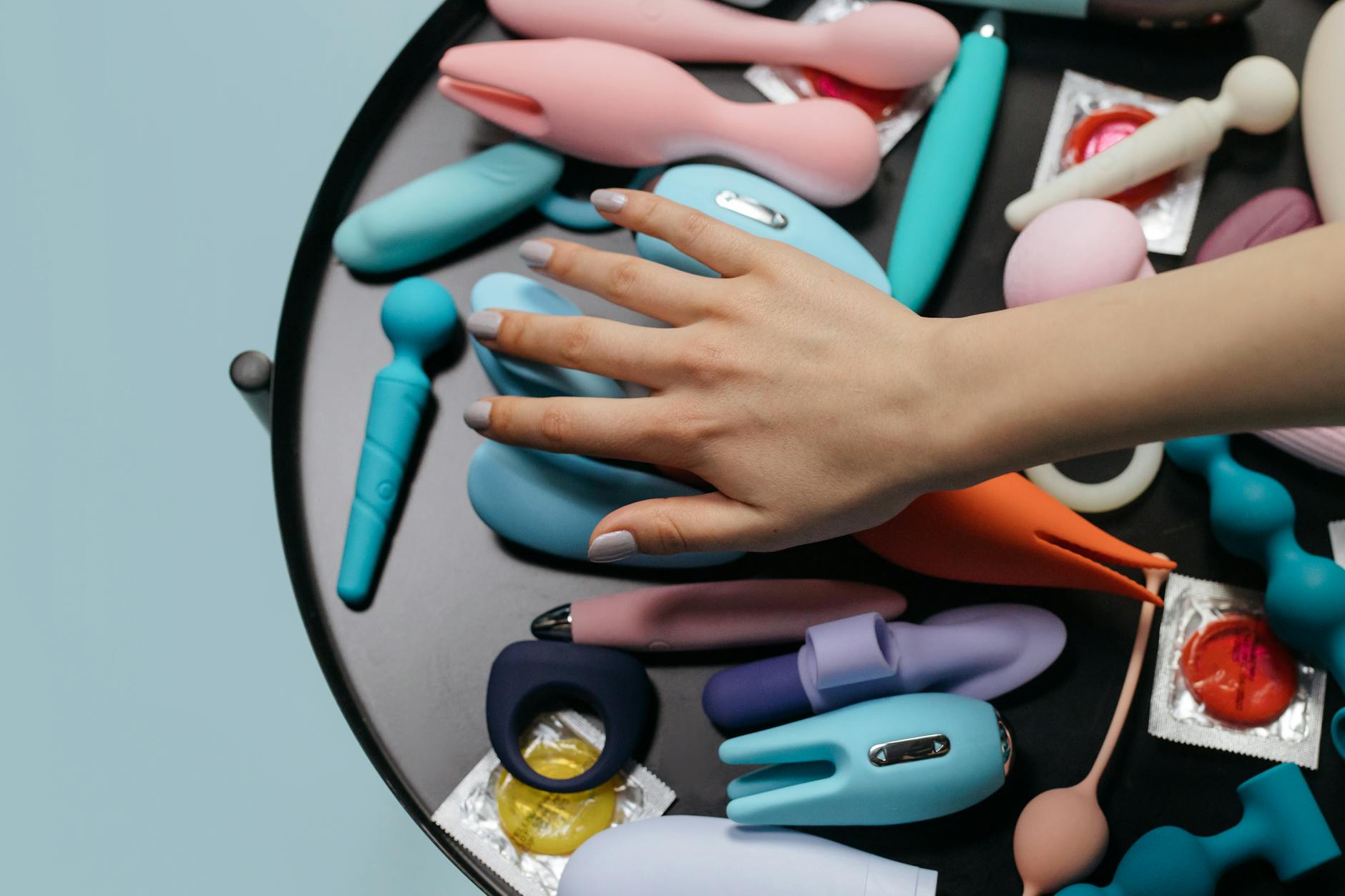
Here's the thing: if you're thinking about introducing a lemon vibrator into your sex life, your partner has probably thought about it too.
That doesn't mean the conversation is easy. Most of us grew up in a world where buying sex toys felt like admitting failure, or worse, betrayal. We internalized messages that your partner should be enough, that wanting more stimulation means something is broken. None of that is true. But the shame lingers, and that's why bringing up a lemon clitoral vibrator can feel like walking through a minefield.
I've worked with hundreds of couples navigating exactly this. The conversations that go well share three things in common: they happen outside the bedroom, they're framed around what you want (not what's missing), and they include an actual script so you're not improvising under pressure.
Introducing sex toys isn't really about the toy. It's a proxy conversation about desire, permission, and whether both partners feel safe asking for what they actually want.
When you can say "I'd like to try a lemon vibrator together" without shame or defensiveness, you're doing something bigger. You're signaling that your sexuality matters, that asking for pleasure is normal, and that your partner's role is to participate in that, not gatekeep it.
That foundation changes everything else. Couples who can have this conversation openly tend to communicate better about money, about boundaries, about what they actually need. It's not about the toy. It's about the permission structure underneath.
Don't bring this up during sex. Don't bring it up when either of you is stressed or exhausted.
The best moment is calm, clothed, and ideally after you've both just felt close to each other. Maybe after a good conversation, or that rare afternoon where you're actually relaxed together. You want your partner's brain available, not flooded with cortisol or self-consciousness.
If you share a bed, the morning after good sex is ideal. You're both still in a positive neurochemical state, but you're awake and thoughtful. If mornings don't work, find 15 minutes on a weekend when neither of you has an exit planned.
Here's what doesn't work: "I want a vibrator because you're not giving me enough stimulation." That's not even technically a lie, but it reads as criticism, and your partner will defend.
Here's what does work: "I've been thinking about our sex life, and I want more of something for both of us. I'm interested in trying a lemon vibrator together. I think it could feel really good, and I want to explore that with you."
Notice what just happened. You made it about addition, not subtraction. You included your partner ("with you"). You normalized it (not secret, not shame). And you were specific.
If you want to introduce it casually:
"I came across this brand called Hello Nancy, and they make these really well-designed vibrators called lemon vibrators. I looked at some reviews and kept thinking about trying one with you. Would you be open to that?"
Casual, specific, includes them, gives them room to ask questions or say no.
If you want to emphasize the pleasure part:
"I've been reading about how clitoral vibrators can make orgasms feel different and sometimes stronger. I'm curious about that, and I'd feel way better exploring it with you than alone. Are you interested in trying that together?"
This works because it's honest about why you want it, it assumes they'd want your pleasure, and it's not asking them to do anything weird.
If you're nervous about their reaction:
"I want to talk about something that feels a little vulnerable. I'm interested in incorporating a vibrator into our sex life. I love what we have, and I'm not looking to replace anything. I just think it might feel good for both of us, and I wanted to ask."
This one acknowledges the vulnerability, which paradoxically makes you seem stronger, not weaker.
Some partners will interpret a vibrator as rejection. "You want a toy because I'm not enough." If that happens, don't argue back. Instead, name what you hear.
"I get why that might feel that way. That's not what this is for me. I like what we do, and I'm interested in adding something, not replacing you. A vibrator is a tool, kind of like how lube is a tool. It doesn't mean anything was broken."
Then pause. Let them respond. They might need a minute to sit with it, and that's okay.
If they continue to resist, don't push that moment. Come back to it later. But also be honest with yourself: if your partner refuses to even consider your pleasure, that's information you need.
Once they're open to the idea, the next step is figuring out what actually works for both of you.
The lemon vibrator is a specific design. It uses air-pulse technology rather than traditional vibration, so it feels like suction rather than buzzing. Many people find it less intense than standard vibrators, which makes it great if either of you has sensitivity concerns.
You might say something like: "I looked at a few options, and I'm drawn to the lemon vibrator because it's less intense than other toys. It feels more like pressure than vibration. I think we could both enjoy it."
If your partner is worried about intensity or pain, this is reassuring. If they're worried it's "too much" for them, you can explore together. The lemon vibrator works beautifully for partnered sex because it's designed to be intuitive.
After the conversation, there's usually a waiting period where you're both thinking about it but nobody knows how to actually start.
One clean way: you buy it, let them know it arrived, and suggest a specific time. "I got the lemon vibrator. Want to try it this Saturday?"
Clear expectation, no ambiguity. When you do try it, start slow. Many people want to jump straight to peak intensity. You'll have way more fun exploring the different settings, seeing what feels good together.
If you're the one who's going to use it on yourself during partnered sex, show them how it works first. Let them hold it, feel the settings, ask questions. Familiarity kills anxiety.
You don't, and that's the vulnerability of asking for anything. But people are usually less reactive than we fear. Most partners are relieved that you want more pleasure because it means less pressure on them to be the only source of satisfaction. If your partner reacts with genuine hostility to the idea of your pleasure, that's worth examining separately.
That's honestly great. It means they're engaged and curious. Shopping together removes some of the shame and makes it collaborative from the start. You could browse Hello Nancy together and let them ask questions about the lemon vibrator or other options.
Either works, but special is slightly easier for both of you. It removes the pressure of it being just another Tuesday. Plan a time when you're both rested, when the kids are gone, when you have actual time to be present. Make it feel intentional.
Then you stop and try something else. This isn't a life commitment. Most couples who try toys together find one that works, but that might not be a lemon vibrator, and that's fine. The point was the conversation and the willingness, not the specific toy.
Yes, but the conversation looks slightly different. Instead of framing it as "something to add to what we're doing," frame it as "something to help us reconnect." That's also true for couples rebuilding physical intimacy after a dry spell. The vibrator becomes a tool for closeness, not performance.
Just say that. "I'm a little nervous about bringing this up because I worry you might think I'm unhappy, which I'm not. But I want to try this, and I'd feel better if we talked about it." Honesty about the vulnerability itself tends to disarm defensiveness.
After you have the talk, things might feel slightly awkward for a day or two. That's normal. You've made something unsaid into something named, and that takes adjustment.
Don't let that awkwardness convince you that the conversation was a mistake. It wasn't. You just unlocked a new layer of honesty in your relationship.
When you do eventually try the lemon vibrator together, don't put pressure on it to be life-changing. It's just a tool. What matters is that you asked for what you wanted, your partner listened, and you're exploring together. That's the real intimacy.
The toy is just the beginning.
If you're looking for more on communication during this transition, the resources from the Gottman Institute on emotional bids and responding with interest are excellent. The book Mating in Captivity by Esther Perel also has brilliant framing on desire and partnership in long-term relationships.
For more on physical intimacy and toys in partnership, our guide on why lemon clitoral vibrators feel better with partners covers the mechanical side of how this works during partnered sex.