Using a Lemon Vibrator for the First Time When You're Nervous
You've thought about it. You're curious. But anxiety is showing up too. Here's the honest breakdown: what happens, what won't happen, and why your first time with a lemon clitoral vibrator is probably going to be way less fraught than you think.
Let's start here: if you're anxious about trying a lemon vibrator for the first time, that's not a sign you shouldn't do it. It's a sign you're paying attention. You're taking this seriously. That's actually the exact frame of mind that makes for a better experience.
The nervousness usually comes from three places. Fear that it won't work. Fear that you'll feel weird or wrong. Fear that you'll like it too much and that means something about you that scares you. None of these things are accurate, but they're not illogical either. Let me walk through what actually happens.
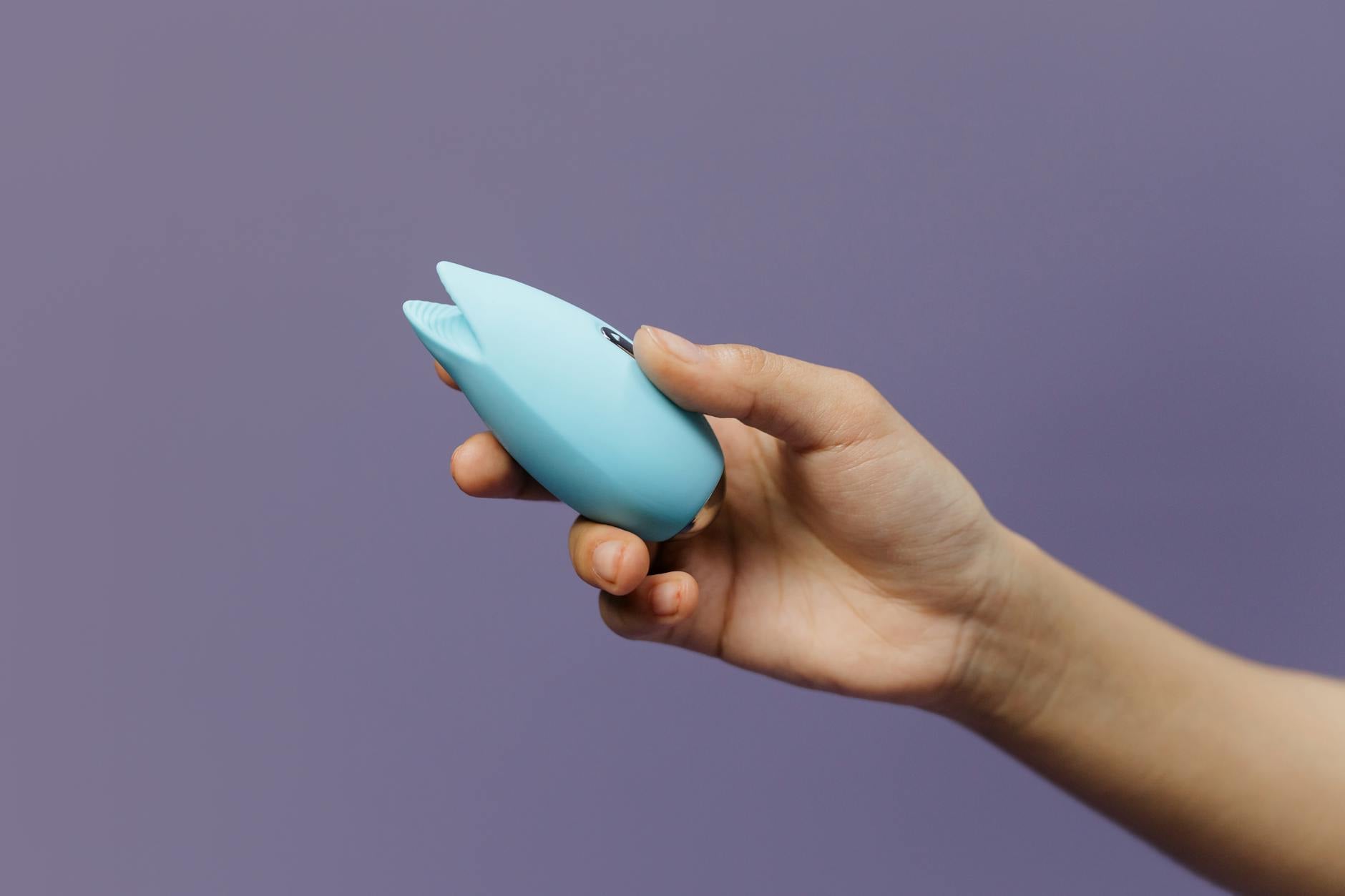
A lemon clitoral vibrator, like the Lem, doesn't insert into you. It's external. It uses gentle suction and vibration patterns to stimulate the clitoral complex from the outside, which is where the vast majority of nerve endings live anyway.
This matters because it changes everything about the experience. There's no interior pressure, no depth concern, no complicated logistics. It's a handheld device that you hold exactly where you want stimulation and then you turn it on. That's genuinely it.
The suction sensation is the part that surprises people. It doesn't feel like a traditional vibrator. It's more like a sustained gentle pull, which activates nerves in a way that many people find intensely pleasurable very quickly. For some, it's immediately obvious why they wanted to try this. For others, it takes a minute to warm up. Both are completely normal.
Here's what I recommend to clients who are nervous:
Set the scene intentionally, not theatrically. You don't need rose petals and candles unless that genuinely relaxes you. What you do need is privacy, a locked door, time without interruption, and your body in a position where you're genuinely comfortable. Lying down with a pillow under your hips works well. So does sitting propped up against the headboard. The point is you're not contorted.
Start with the lowest setting. If your lemon vibrator has multiple patterns or intensity levels, begin at the lowest. This isn't about "easing in" because you're fragile. It's about giving your nervous system clear information. Your first experience should not be an overwhelming sensation. You want to know what you're feeling, not have it crash over you.
Apply lubricant. Even if you're naturally lubricated, use additional lubricant. It makes the sensation smoother, reduces friction, and honestly, it just feels better. Water-based lubricant works with silicone toys without any problems. This is not a sign something is wrong. It's a practical choice.
Spend time finding the spot. You're looking for the area that feels good, not the area you think should feel good. The clitoral complex is bigger than most people realize. For some women, direct stimulation on the visible clitoris is intense and almost too much. Others prefer stimulation slightly above it or to the side. You're exploring. There's no rush and no wrong answer here.
Don't expect an orgasm the first time. I know this sounds counterintuitive, but this is genuinely useful information. When you remove the pressure to have an orgasm, the whole experience becomes a sensory exploration instead of a performance test. Some people do have an orgasm the first time. Some don't. Neither tells you anything about whether this device is right for you or whether you're capable of pleasure. It's just where you are on this particular day.
When you use a lemon clitoral vibrator for the first time, your body might do things that surprise you. Here's what's normal.
Your legs might shake. Completely normal. Your quads are engaging. It happens.
It might feel uncomfortably intense at first. Try turning it down. If it still feels like too much, that usually means you need more warm-up time. Close the device for a minute, enjoy the sensation of your partner's touch or your own hand, and then reintroduce the vibrator. Pleasure builds in layers.
You might feel pressure to come. This is almost always about the internal narrative, not about the device. Notice it. Acknowledge it. Then release it. You're allowed to explore sensation without an endpoint.
You might not feel much at first. This is especially common if you have a history of numbness or if you're in your head about the experience. Totally fixable. Usually more time plus a slight position adjustment solves this.
I spend a lot of time with couples and individuals working through the mental barriers to pleasure, and the first time with a new toy is where all of that gets lit up. You might find yourself thinking, "This is silly," or "Am I doing this right," or "Does my body look weird right now." Of course these thoughts show up. You're vulnerable and doing something new.
The practice is noticing the thought and not fighting it. Thoughts are information, not truth. You can think "This is weird" and also think "I'm curious about what comes next" at the same time. They're not mutually exclusive.
Many people find that the second or third time using a lemon vibrator is notably better than the first time because the novelty has worn off. Your body knows what to expect. Your nervous system is less activated. You can actually focus on sensation instead of managing anxiety.
Not every device is right for every body. That's not a failure. It's information.
If you've given a lemon clitoral vibrator a fair shot (I'd say at least three sessions with genuine openness) and it's genuinely not producing any sensation, there are a few possible reasons. Sometimes it's body chemistry or individual sensitivity. Sometimes it's that a different stimulation method suits you better. That doesn't make you broken. It makes you someone with specific needs, and that's valuable to know.
If you experience pain, stop immediately. That's not nervousness. That's your body giving you a clear signal. Pain during or after using any toy warrants a conversation with your gynecologist.
The reason the Lem and similar lemon sucker-style devices have such loyal users isn't marketing. It's that the suction sensation genuinely works for a lot of bodies in a way that traditional vibration doesn't. The stimulation is broad enough to avoid being overwhelming but focused enough to be effective. It's not inside you, so there's no discomfort or worry about fit. It's quiet. It's discrete. You can use it alone or with a partner.
So when you're nervous about trying one, you're not nervous about something frivolous. You're considering something that has legitimately changed pleasure for thousands of people.
The shift from "I'm nervous about this" to "I'm curious about this" is mostly about giving yourself permission to explore without a predetermined outcome. You don't have to love it. You don't have to understand why anyone else loves it. You just have to be willing to notice what happens when you try it.
If you've been thinking about trying a lemon vibrator, the nervousness is part of the process, not a stop sign. You can feel nervous and do it anyway. In fact, that combination often leads to the most interesting discoveries about what your body actually wants.
Can you use a lemon vibrator if you've never used any kind of toy before?
Absolutely. Many people choose a lemon clitoral vibrator as their first toy specifically because there's no insertion involved, which removes a whole category of worry. The suction sensation is gentle enough for someone new to toys, and it's clear and direct sensory feedback, which makes it easier to understand what's actually happening to your body.
What if you want to orgasm with a partner watching?
That's a different conversation, honestly. Adding an audience (even a loving partner) adds psychological pressure. Your first solo experience with a lemon vibrator should absolutely be alone. Once you understand how your body responds and what feels good, then you can decide whether you want to introduce a partner into the experience. Many couples find that collaborative exploration is actually closer and more connected than solo use, but that's a conversation for after you've had your own.
How long does it usually take to figure out if a lemon vibrator works for you?
Most people know by the third session. The first time is about managing novelty and nervousness. The second time, you're slightly more relaxed. The third time, you usually have enough information to know whether this device is genuinely right for your body or whether you want to try something different. If you're not feeling anything by the third time with genuine openness, it's fair to say this particular toy might not be it for you.
Does using a vibrator mean you can't orgasm without one?
No. This is one of the most persistent myths and it's not supported by evidence. Some people find that vibrator use enhances their overall capacity for pleasure across multiple types of stimulation. Some people use vibrators occasionally. Some people never use them. None of these things create dependency. Your body's capacity for response is yours regardless of what tools you use.
What if you're using it with a partner and they feel insecure?
That's a relationship conversation, not a toy conversation. A healthy partner doesn't see your pleasure as a threat to theirs. If someone is responding to toy use with insecurity, the actual work is on the relationship, not on abandoning the device. That said, this is exactly the kind of conversation that couples therapy is useful for. Couples who can talk directly about pleasure and vulnerability actually end up with deeper connection.
Is there a lemon vibrator that's best for beginners?
The Lem from Hello Nancy is specifically designed to be user-friendly and accessible. It has simple controls, multiple intensity levels, and a shape that's easy to hold and position. If you're nervous about complexity, starting with straightforward equipment helps. The lower the barrier to actually using it, the more likely you are to give yourself a fair chance at understanding how your body responds.