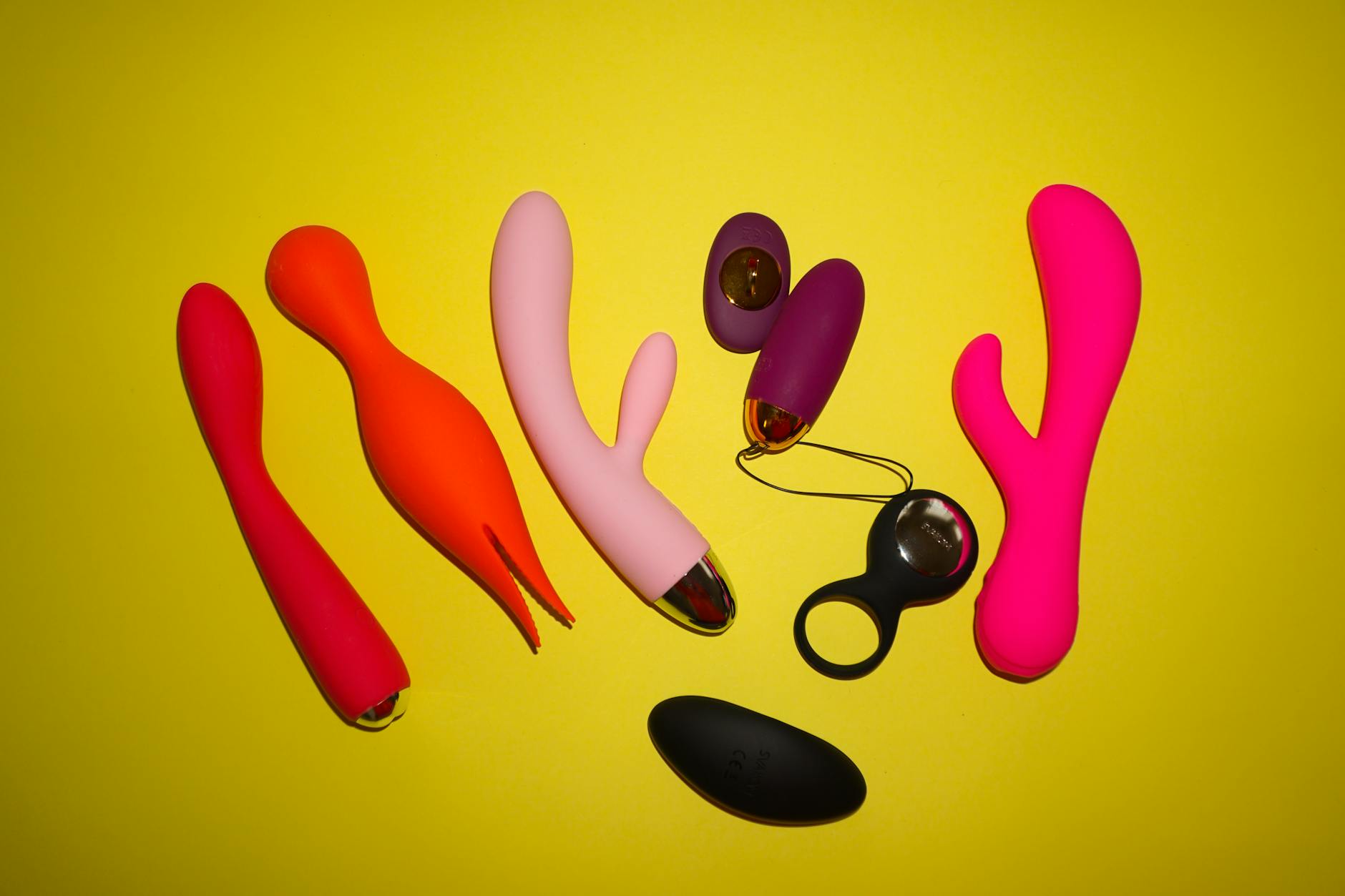
How to Recover Clitoral Sensitivity When a Lemon Vibrator Stops Feeling Good
Numbness after using a clitoral vibrator isn't permanent. It's a real neurological response, and there are proven ways to reset your sensation in days or weeks.
You've been using your lemon vibrator regularly. At first it was incredible. Then one day you noticed something: it doesn't feel quite as intense. You crank up the power. Nothing. You try different patterns. Still muted. By week three you're wondering if your body is broken or if you've somehow worn out the device itself.
Neither is true. What you're experiencing is clitoral desensitization, and it's far more common than you'd think. The good news is that it's completely reversible.
Your clitoris contains about 8,000 nerve endings packed into a structure roughly the size of a pea. When you stimulate it consistently with the same type of sensation (like the suction pattern of a lemon vibrator), those nerve endings adapt. In neuroscience, we call this habituation. Your nervous system essentially says: "Okay, I've categorized this input. I can dial down my response."
This is the same mechanism that makes a new perfume smell invisible after twenty minutes, or makes you stop noticing background noise in a coffee shop. Your sensory system is designed to filter out repeated, predictable stimuli so you can focus on novelty and danger.
The vibration itself isn't damaging anything. Your tissue is fine. Your nerves are fine. They're just temporarily less responsive because they've adapted to the specific frequency and pattern you've been using.
Three factors speed up desensitization. First, frequency. If you're using your lemon vibrator daily or multiple times daily, you're giving your nerve endings almost no recovery time. Second, consistency. Using the exact same pattern and intensity every session teaches your nervous system what to expect. Third, intensity. Higher-powered devices can trigger faster adaptation because they're a stronger signal.
Interestingly, people don't all desensitize at the same rate. Some people notice a dip after two weeks of daily use. Others don't hit this wall for two months. Baseline sensitivity, hormonal cycle, stress levels, and individual neurology all play a role.
The key insight is this: desensitization isn't a sign that you've done something wrong or damaged yourself. It's a sign that you need to change the stimulus.
Here's the step-by-step approach I recommend to clients experiencing this.
Week one: Pause completely. Stop using your lemon vibrator entirely. I know this feels counterintuitive when you're craving that sensation, but this is the fastest way to reset. Your nerve endings need to "forget" the overstimulation. Seven to ten days is usually enough, though some people benefit from two weeks.
During this pause, you can still have pleasure. Use your hands. Try a different type of toy if you have one (a wand vibrator feels completely different from a lemon sucker, for example). Explore non-vibration touch. The goal is sensory novelty, not absence.
Week two: Restart low. Bring your lemon vibrator back in, but start with the lowest setting. Pattern 1. Five-minute sessions maximum. Use it every other day, not daily. This gives your nervous system time to re-sensitize between uses.
Week three onward: Rotate patterns. When you're back to daily use (if you want it), alternate between two or three different patterns each session. If you've been hammering pattern 5 for months, switch to pattern 2 and 4 for a few sessions before returning to 5. The novelty keeps your nerve endings engaged.
Desensitization isn't purely about the vibrator. Your overall nervous system state matters.
Stress, sleep deprivation, and hormonal fluctuations all affect sensitivity. During high-stress periods or the early phase of your cycle (when estrogen is lower), your tissues are less responsive to vibration. This is temporary, but it's real. If you're in a stressful season, you might notice the same lemon vibrator feels duller even if you've been using it responsibly.
Lubricant changes things too. Drier tissue has less nerve conduction. If you've stopped using lube or switched to a less effective one, you might feel a sensitivity drop that has nothing to do with adaptation. Adding a quality water-based lubricant can restore sensation immediately.
Sleep is wildly underrated here. People who are chronically tired have measurably reduced nerve sensitivity across their body. A week of solid sleep often restores clitoral responsiveness faster than any pause-and-reset protocol.
You don't have to choose between pleasure and sensitivity. Here's what sustainable use looks like.
Three to five times a week is a sweet spot for most people. Daily use is possible without desensitization if you rotate patterns aggressively and vary your approach (sometimes more lube, sometimes less; sometimes partnered, sometimes solo). If you love using your clitoral vibrator daily, commit to switching patterns every session and taking a one-week pause every three months.
Timing matters too. Avoid using the same device in the same way right before partnered sex if you're hoping to feel sensation with a partner. Your nerve endings will be temporarily adapted to that specific vibration, which can make partner touch feel underwhelming by comparison.
Some people find that using a lower-power device (like the Berri or a mini wand) in their daily routine and reserving the full-power lemon vibrator for weekly sessions prevents desensitization entirely. You're essentially keeping variety built into your toolkit.
Desensitization often comes wrapped in anxiety. You start wondering if you've permanently broken yourself. You panic that you'll never feel that intensity again. You blame the toy or your body.
That anxiety actually makes the problem worse. Stress hormones narrow blood flow to the genitals and increase nerve tension, both of which reduce sensation. When you can name what's happening (it's habituation, it's normal, it's reversible), that anxiety drops. When anxiety drops, sensation often returns faster.
The week-long pause can feel long. Remind yourself that this is temporary and that your sensitivity will come roaring back. It always does.
No. Clitoral tissue is resilient. Desensitization is a neurological adaptation, not tissue damage. Your nerve endings will re-sensitize when the stimulus changes. The only actual damage that vibrators can cause is friction-related soreness from very rough use or extended sessions without lube, and that's preventable with lubricant and reasonable session lengths.
Most people notice improvement within three to five days of pausing. By day ten, sensitivity is usually substantially recovered. Some people feel almost immediate return of sensation once they restart with a different pattern or intensity. Everyone is different, but waiting longer than two weeks isn't necessary.
No. Desensitization usually means the vibration feels less intense or takes longer to reach climax, not that orgasm becomes impossible. That said, if you've been relying entirely on one pattern at high intensity and suddenly switch to low intensity, it will feel like it "doesn't work" at first. Your body needs a session or two to recalibrate. Stick with it.
Neither is necessary. The issue isn't the device, it's the pattern. You can absolutely reset and return to the same lemon vibrator. That said, owning multiple toys and rotating between them (a lemon clitoral vibrator, a wand, a different suction pattern) prevents desensitization from building up in the first place. Variety is your best prevention tool.
Usually not. Desensitization typically affects vibration-specific sensation, not partnered touch. If you've been heavy-handed with pattern 5, partner touch might feel lovely and novel by comparison. That said, communication is always worth it. If you're taking a reset week, mentioning it to a partner can help them understand if sensation feels different in the short term.
Yes. The three biggest prevention tools are rotation (switch patterns frequently), timing (don't use daily without variety), and novelty (own more than one type of toy). If you use a lemon vibrator thoughtfully—mixing intensity levels, trying different patterns, and taking occasional breaks—you can use it regularly without hitting that sensitivity wall.
The clitoris is one of the most adaptive and resilient parts of your body. It has survived decades of hormonal changes, pregnancies, grief, stress, and everything else life throws at you. A few weeks of desensitization to a specific vibration pattern is genuinely minor in that timeline. Reset, rotate, and keep exploring. Your pleasure has many chapters ahead.