Why Lemon Vibrators Deliver Stronger Orgasms After 40
Your body changes. Your capacity for pleasure doesn't. Here's what actually happens to clitoral sensitivity with age, and why lemon vibrators work so well with these shifts.
Honestly, here's what nobody tells you: your clitoris doesn't lose sensitivity after 40. It gets more complex. The nerve endings stay intact. What shifts is how your body delivers blood flow, how your hormones shift, and what kind of stimulation lands differently on tissue that's aged alongside you.
I've worked with hundreds of couples navigating this transition, and the pattern is consistent. Most people assume orgasms get quieter with age. What I see clinically is the opposite. They often get denser. More concentrated. Sometimes more intense.
The catch is that you need the right tool to match what's actually happening in your body.
Your clitoris is about 8,000 nerve endings packed into one small area. That never changes. What does shift:
Tissue elasticity. After 40, especially if hormones have dropped, the skin around the vulva becomes thinner and less elastic. This means direct, sustained friction that felt amazing at 25 might feel raw or overwhelming now. Many people interpret this as "losing sensitivity." Actually, it's the opposite. The nerves are more exposed. You need gentler access to reach the same depth of sensation.
Blood flow timing. Arousal takes longer because blood reaches the clitoris more slowly. Plan for 15 to 20 minutes of warm-up instead of five. This isn't a problem. It's permission to slow down, which most of my clients report deepens the whole experience.
Lubrication. Natural lubrication often decreases after 40, especially if estrogen dips. Water-based lubricant isn't a sign you're broken. It's a tool that lets you feel more, not less, because you're not fighting friction.
Here's the thing that matters: none of these changes reduce your capacity for orgasm. They change the pathway to get there.
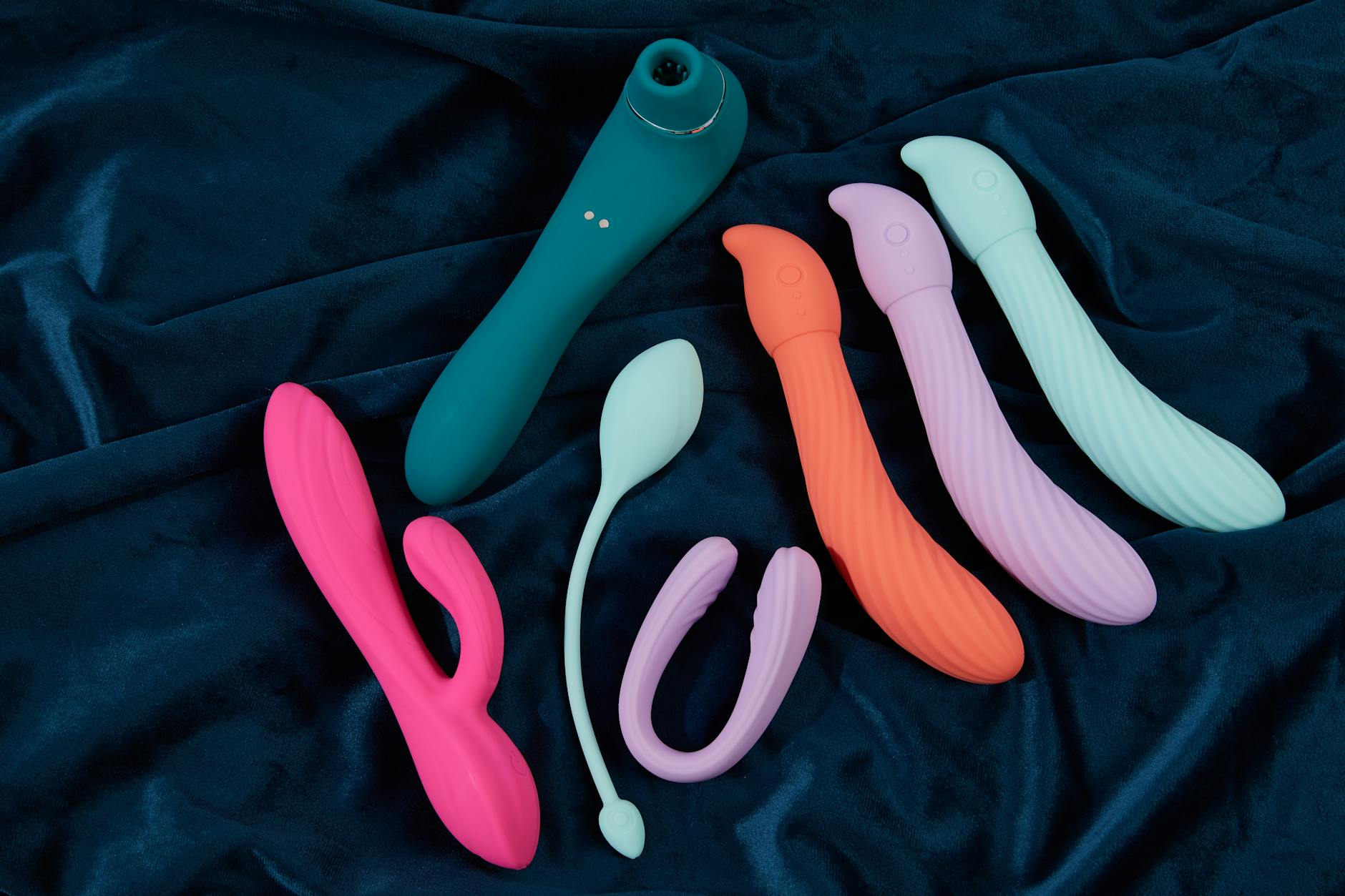
A lemon vibrator, sometimes called a lemon sucker, works through air-pulse technology rather than traditional vibration. Instead of a buzzing motion against your skin, it creates a gentle suction and release rhythm. For bodies over 40, this matters a lot.
No direct pressure on delicate tissue. The suction motion pulls rather than presses. This means you're stimulating deep nerve clusters without the grinding sensation that can feel uncomfortable on thinner skin. You get intensity without harshness.
Better blood flow activation. The pulse rhythm actually encourages blood to pool in the clitoris more efficiently than sustained vibration. This creates fuller arousal and often more pronounced orgasms, even if arousal took longer to build.
Adjustable intensity that feels like progression, not compromise. A lemon clitoral vibrator typically has five to seven intensity levels. You don't have to choose between "nothing" and "too much." You can start at pattern one, build gradually, and stop wherever feels right. This control is especially valuable as your body's responsiveness shifts.
Texture that works with, not against, sensitive tissue. The silicone on quality lemon sexual toys is smooth and cool, which feels less aggravating on skin that's more reactive to temperature changes. Many people over 40 find this actually enhances the experience.
Here's where people get confused: does a lemon vibrator deliver stronger orgasms, or just different ones?
Both. The orgasms I hear about from people using lemon clitoral vibrators tend to be more localized and sustained. Instead of a quick peak and drop, the air-pulse rhythm extends the plateau phase. You stay in that heightened state longer, which often creates a sense of deeper intensity even if the peak itself isn't "louder."
Some people report multiple orgasms more easily with lemon vibrators. The lack of direct pressure means you don't get overstimulated the same way, so recovery between orgasms is faster.
The best part? This applies whether you're using it solo or with a partner. The rhythm is predictable enough that partners can actually stay engaged without a remote control doing the thinking.
Here's what I've learned after 20 years in relationship therapy: after 40, pleasure is as much about permission as it is about physiology.
You've spent two decades (or more) learning to accommodate other people's timelines, preferences, and rhythms. By 40, many of my clients have internalized a quiet belief that they're supposed to want less, enjoy less, want it less often. This belief is embedded before the body even changes.
Then the body does change. And instead of recognizing "oh, this is just a different pathway," people assume the entire highway has closed.
A tool like a lemon vibrator can actually interrupt that narrative. Because you're not forcing your body into the old pattern. You're meeting it where it actually is. And where it actually is often feels better.
If intensity is what you're after, here's how to actually get there:
Start with water-based lubricant. Not a tiny dab. Enough that you can feel it moving. This seems counterintuitive if you think lube "deadens" sensation, but for post-40 bodies, it amplifies it because you're reducing friction-noise and increasing signal.
Begin at intensity level two or three, not one. Level one on most lemon vibrators is almost meditative. If you know you want intensity, give yourself permission to start where that's possible.
Spend time on the plateau. Most people rush to orgasm. With air-pulse toys, the plateau phase is where the magic is. Stay there for three to five minutes. Let the rhythm build anticipation rather than releasing it.
If you're with a partner, have them use their hands while you use the lemon vibrator. The combination of two different types of stimulation often creates a more complex, more intense experience than either alone.
Sometimes I see people assume that a stronger vibrator will solve an intensity problem that's actually emotional or relational.
If desire has tanked, a better toy won't fix it. If your relationship has been on autopilot, adding a lemon vibrator without addressing that context might create a weekend of better sex and then nothing changes structurally.
Intensity that lasts requires you to also look at what's happening emotionally. Are you still feeling desired? Do you desire your partner? Is there novelty and playfulness, or have you fallen into efficiency?
These questions matter as much as which clitoral vibrator you buy.
Research on aging and sexual response shows that while the speed of arousal decreases, the depth often increases. Your nervous system is slower to activate but more refined in processing sensation. You notice more. You feel more dimensionally.
This is why many therapists and sex educators actually report that their clients' best sex happens in their 40s, 50s, and beyond. Not despite the changes. Because of them.
Lemon vibrators, with their air-pulse technology, are specifically designed to work with this kind of sensation. They're not fighting your body. They're matching its actual operating system.
Both. The suction technology does create measurable changes in blood flow and sustained stimulation, which physiologically creates longer plateaus and more sustained contractions during orgasm. Whether that feels stronger is individual, but the physical changes are real.
Often yes. Because the air-pulse motion doesn't require the same tissue elasticity as traditional vibration, many people with hormonal changes find lemon vibrators easier and more pleasurable than they did with other toys. If you've had pain or numbness, it's worth a conversation with a gynecologist, but a lemon vibrator is frequently a good next step.
The mechanics are completely different. A vibrator uses back-and-forth motion. A lemon sucker uses air-pulse, which creates suction and release. For older bodies, this often feels less harsh and allows you to stay in pleasure longer without overstimulation.
Not necessarily, but many people add a little anyway because it reduces any friction at the edges and helps the toy glide if you're moving it around. It's a preference thing, not a requirement.
Start at two or three, not one. Level one is often too gentle if intensity is your goal. Give yourself permission to begin where sensation is actually noticeable, then build from there.
Partners can absolutely use it. Some people find that having a partner hold it while they're kissing or touching creates a really complex, layered sensation. It's not just a solo toy.
Intensity after 40 isn't about fighting your body's changes. It's about understanding them and choosing tools that actually work with what's happening. A lemon clitoral vibrator isn't magic. It's engineering designed around how pleasure actually works in bodies that have lived a while.
Your capacity for sensation hasn't gone anywhere. It's just asking for a different approach. And honestly, that's often what makes pleasure at 40 and beyond feel richer than it ever did before.
If you want to explore what might work best for your body and situation, we're here to help. Reach out anytime.