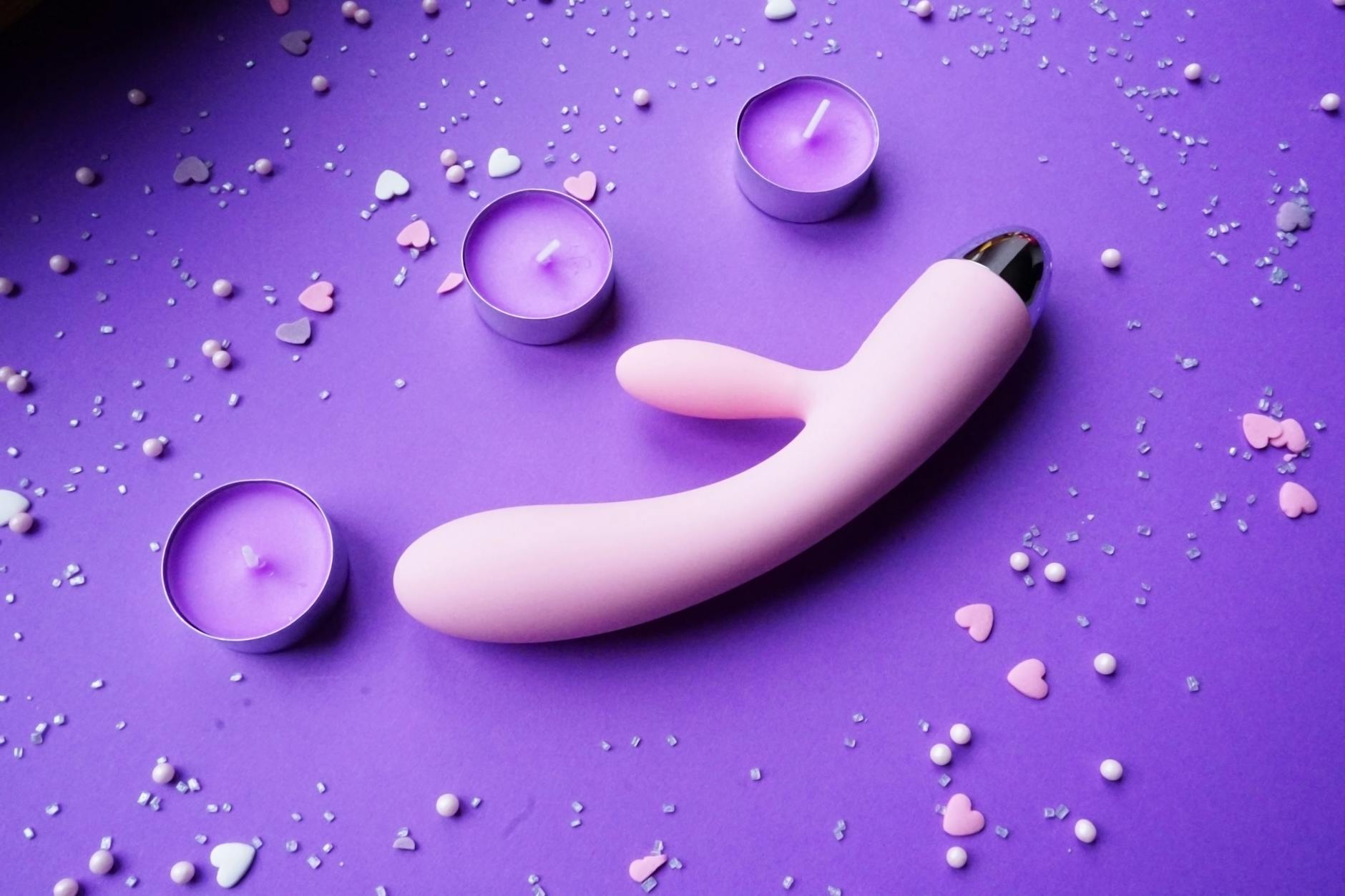
How to Use a Lemon Vibrator When Your Partner Seems Less Interested in Sex
When your partner's desire drops, your pleasure doesn't have to. What changes, what doesn't, and why solo exploration with a lemon vibrator can actually save your intimacy.
Your partner stops initiating. Weeks pass. You hint. Nothing. The rejection stings, and suddenly you're caught between wanting connection and not wanting to feel like you're begging for it. Most relationship advice tells you to talk about it, which is right. But what they don't say is that while you're having those conversations, your body doesn't stop needing pleasure.
When partners lose interest in sex, it's almost never about you. It's about stress, hormones, medication, burnout, depression, or sometimes just the quiet drift that happens in long relationships. The problem is that it feels personal because it happens to your shared bed.
What you need to understand is the difference between your partner's desire and your right to pleasure. Those are completely separate things. Your partner's low libido is real and worth addressing together. Your body's need for pleasure is equally real and doesn't require their consent to matter.
A 2023 study in Archives of Sexual Behavior found that about 40% of men over 40 experience some form of low desire, and similar numbers show up for women. It's not uncommon. It's also not your fault, and it's not a reason to stop touching yourself.
When you use a lemon clitoral vibrator solo while your relationship is in a low-desire phase, a few things happen. First, you maintain your own pleasure baseline. You remind your body what good feels like. Second, you reduce resentment. Sexual frustration in relationships builds quietly, then explodes over dinner about something that has nothing to do with sex. Third, you stay connected to yourself, which paradoxically makes you a better partner.
A lemon vibrator is particularly good for this because suction stimulation bypasses the friction that can feel uncomfortable during extended solo sessions. You can use it for 15 minutes or 45 minutes without soreness or fatigue. The patterns on devices like the Lem allow you to explore what turns you on without relying on fantasy or pressure. Many people find that solo sessions with a quality clitoral vibrator actually help them understand their own body better, which then makes partnered sex better when it returns.
Here's what I see in my practice: couples where one partner's desire drops often wait too long to have the conversation because they're embarrassed. Then resentment builds. Then they either have a fight about desire or they just... stop trying. Sometimes introducing solo pleasure tools into the relationship actually opens the door to talking about what's really going on.
You might try this: tell your partner you're exploring solo pleasure not because you're giving up on them, but because you're taking care of yourself. Some partners find that their partner using a lemon vibrator is actually arousing. Others appreciate that you're meeting your own needs instead of creating pressure in the relationship. Some will use it as a wake-up call to get help for whatever is lowering their desire in the first place.
The key is separating two different conversations. "I need to explore my own pleasure" is not the same as "I want more sex with you." If you muddy those together, your partner hears only the second one, gets defensive, and nothing changes.
Before you assume this is just a phase, check in on the obvious: Is your partner stressed at work? Sleeping badly? On a new medication? Has something changed in your emotional connection? Low desire sometimes signals depression, which is medical. It sometimes signals resentment about household labor or parenting. It sometimes signals that they're questioning the relationship.
Your partner declining sex is information. It's not necessarily about you, but it's always worth asking why. "I've noticed things have shifted. I'm not asking this as blame. I'm asking because I care and I want to understand what's going on." Then listen without defending yourself.
That conversation might reveal that your partner wants therapy, needs to talk to their doctor, or needs something different from you that has nothing to do with sex. Figuring that out while you're also taking care of your own pleasure is the mature move.
If your partner's low desire isn't temporary, you need a plan that works for both of you. Some couples find that scheduling sex helps. Some find that a partner who isn't interested in intercourse is happy to help their partner with a vibrator during a scheduled time. Some find that opening space for solo pleasure actually takes pressure off partnered sex and makes it better when it happens.
What you need is honesty about what each of you can offer. If your partner genuinely has no libido and no interest in changing it, you have a real decision to make about whether this relationship meets your needs. That's not selfish. That's knowing yourself. But before you get there, at least try.
Meanwhile, a lemon vibrator or other quality clitoral vibrator keeps you sane. It keeps you in touch with what pleasure feels like. It reminds you that you deserve to feel good, whether or not your partner is the one creating that feeling.
Some partners get nervous about vibrators. "You don't need me anymore." "That's weird." "You should only want me." These are insecurity statements, and they're worth addressing directly, but not in a way that sacrifices your pleasure.
You might say: "Using a vibrator isn't about replacing you. It's about me knowing myself better. And honestly, if you were interested in sex, we'd be having more of it. This isn't about you. This is about me taking care of me while we figure out what's happening between us."
If your partner refuses to let you use a vibrator and refuses to engage in sex, that's a control issue worth examining with a therapist. You get to have pleasure. Full stop. If your partner makes that impossible, that's a relationship problem bigger than desire.
Using a lemon vibrator when your partner has low desire won't fix the relationship. It will keep you sane while you do the harder work of figuring out what's actually going on. It will remind you that you matter. And it might actually save your intimacy by taking the pressure off sex to be the only way you both connect.
But here's what I want you to know: if your partner's desire has been low for more than a few months and nothing is shifting, you need to have a real conversation about what that means for your relationship. That conversation might lead somewhere good. It might lead somewhere different. But staying silent and just quietly using a vibrator to take care of yourself is a Band-Aid, not a solution.
Your pleasure matters. So does your partnership. Sometimes those things are in tension. The tool isn't what matters. Your willingness to honor both your body and your relationship is.
Start with the relationship issue, not the vibrator. "I've noticed we're out of sync on desire right now, and I want to figure out why before we let this become a bigger wedge between us. In the meantime, I'm going to take care of my own pleasure because I deserve that, and I think it will help me be less resentful." The vibrator is context, not the main conversation.
Yes, sometimes. When you know your own body and what works for you, you can guide your partner more effectively. You're also less likely to carry resentment into the bedroom. But it only helps if your partner is willing to engage. If they're genuinely not interested in sex at all, no amount of solo exploration fixes that.
That can be great if you want that. It can also be a way for a low-desire partner to engage without actually having to want sex themselves. Be clear about whether you're doing this as a way to connect with them or as a way to take care of yourself while they observe. Those feel different.
As often as you need to. There's no "too much." Your pleasure isn't a limited resource that depletes your partner's. If daily solo sessions keep you sane while you're working through a low-desire phase, that's fine.
No. Absolutely not. Your body belongs to you. Your pleasure belongs to you. Your partner not being interested in sex doesn't mean you have to stop experiencing pleasure. The only thing that's actually disloyal is letting resentment build silently instead of telling your partner what you need.
Waiting for someone else's desire to return while you deny your own is a slow way to kill both attraction and self-respect. A lemon vibrator keeps you connected to yourself. It also gives you data about what you actually need sexually, which makes the eventual conversation with your partner more real and less desperate.