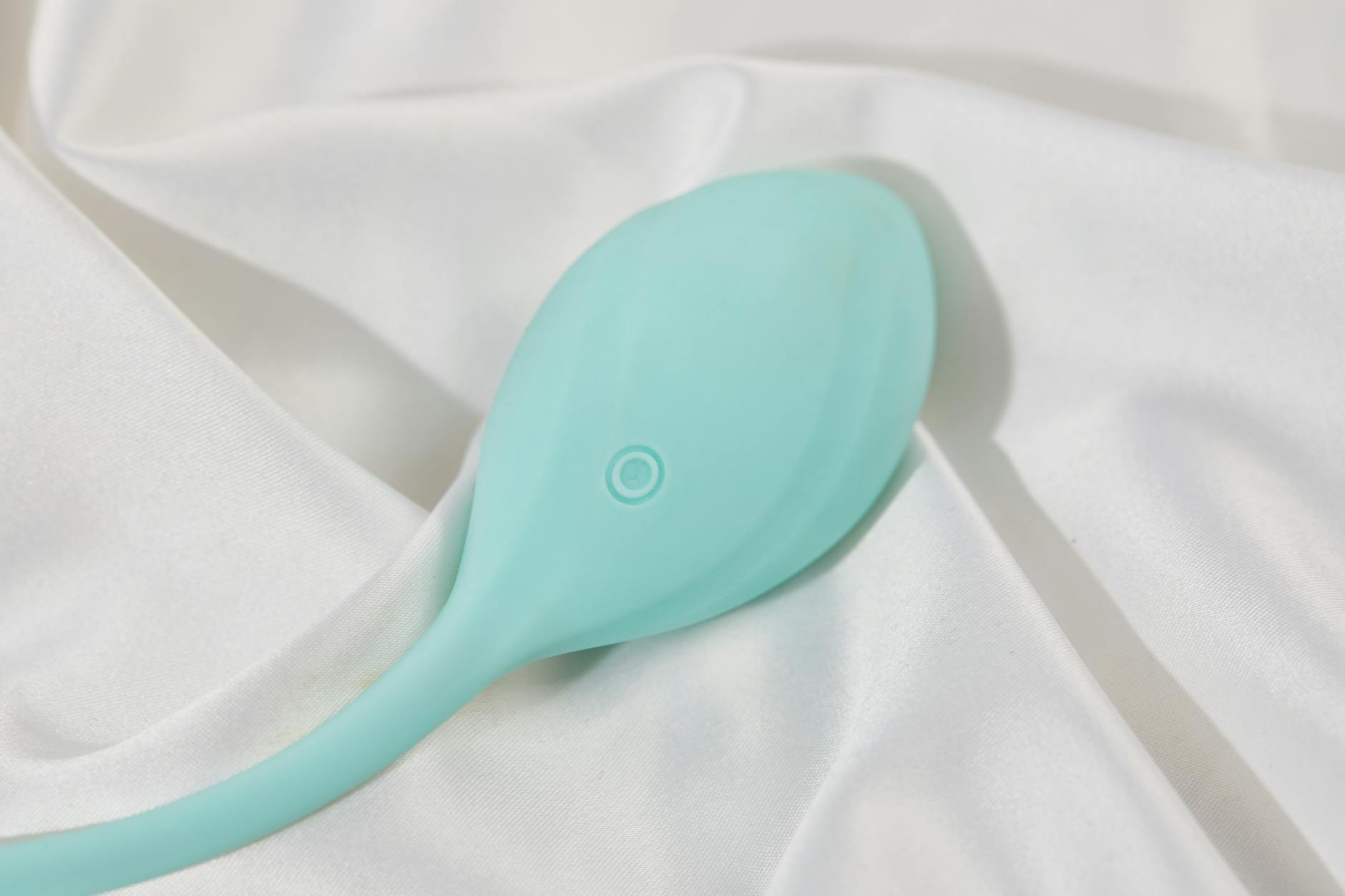
How to Use a Lemon Vibrator When You're Nervous About It for the First Time
That flutter of anxiety before trying something new is normal. Here's exactly what happens, what to expect, and why a lemon clitoral vibrator might feel less intimidating than you think.
You're thinking about trying a vibrator for the first time, and there's this low-level hum of anxiety about it. That's completely normal. It means you're taking it seriously, not that something is wrong with you.
Most people's nervousness breaks down into three things they don't say out loud: "Will it hurt?" "Will it feel weird?" and "What if I can't orgasm with it?" We're going to answer all three, because once you know what actually happens, the nervousness usually flips into curiosity.
Here's the thing nobody tells you: the first vibration is almost never what you expected. Your brain has spent years predicting sensation, and vibration is one of those rare things that doesn't quite match the mental image.
It's not painful. It's not creepy. It's usually just... tingly. Softer than you imagined. If you're expecting something intense and you get something gentle, that relief hits different.
A lemon vibrator uses suction-based stimulation instead of traditional vibration. This matters because suction feels like a gentle pulse, not a buzz. Your body's response is completely different. You're not being vibrated at high frequency. You're experiencing rhythmic pressure waves against the clitoris, which is how your body already knows how to respond.
This is actually why lemon clitoral vibrators are so good for beginners who are nervous. The sensation is closer to what fingers or a partner's mouth already taught your body. Your nervous system doesn't have to learn a completely foreign language.
If you bought a lemon vibrator, it likely came with multiple intensity levels. The instinct is to think "well, higher is better," which is exactly backward when you're nervous.
Start on pattern 1. Not pattern 1 after thirty seconds of foreplay. Pattern 1 from the very first time you turn it on. Let your body get used to the sensation.
Most beginners need 10 to 15 minutes at a lower intensity before they're ready to bump up. Some people stay at pattern 2 or 3 the entire first session, and that's perfect. You're not training for anything. You're exploring what your body does, how it responds, and whether this is even something you want to do again.
The nervousness usually fades somewhere around the five-minute mark. Your brain stops predicting and starts just feeling.
Your environment matters way more than you think. If you're tense, your pelvic floor is tense, and that changes everything about how vibration feels.
Before you even unbox the lemon vibrator, give yourself permission to just stop if it doesn't feel right. No consequences. No "well, I spent the money so I have to like it." That permission alone lowers cortisol and makes the whole experience less high-stakes.
Then: quiet space, time you're not watching the clock, zero pressure to orgasm. Seriously, throw that goal out the window for the first three tries. You're not doing this to get somewhere. You're doing this to see what your body does.
Lube, even if you're naturally lubricated. Water-based lube on the lemon vibrator makes the sensation smoother and less jarring. It also gives your nervous system permission to relax because there's no friction, no urgency, just smooth gliding sensation.
Hold the vibrator yourself. Control matters when you're nervous. The moment you hand it to a partner or feel like you've lost agency, anxiety spikes. Keep your hands on it. You decide where it goes, how much pressure, and when to pause.
Most people expect vibration to feel intense. A lemon clitoral vibrator's suction-based stimulation is usually gentler than that expectation.
You might notice: the sensation is more localized than you thought it would be. The clitoris gets stimulation, but you don't feel it radiating through your whole body at first. That's fine. That's normal. Some people's nervous systems take a few sessions to start building the broader response.
You might also notice that you feel more sensation on some days than others. Hormones, stress, how much you've been touching yourself lately, whether you've had caffeine. All of it changes sensitivity. First time is not representative. Second time might feel totally different, and that's the point.
This happens. Especially if you're nervous, your brain is in threat-detection mode, and pleasure signals get blocked.
The solution is not to buy a stronger lemon vibrator or jump to pattern 5. The solution is to give yourself three to five tries before you evaluate. Your nervous system is learning. The clitoris is learning. Sensation builds.
Also: check your positioning. If the suction cup isn't making a proper seal on the clitoris, you'll feel pressure but not much sensation. Angle matters more than intensity. Move it around slightly. Find the spot where it feels like something, then stay there.
If you're on hormonal birth control, certain medications, or you're just naturally a lower-sensation person, you might need pattern 3 or 4 before sensation clicks. That's not broken. That's information.
And if after five tries you're genuinely not feeling it, you have options. The lemon vibrator might not be the right fit for your body, and that doesn't mean vibration is off the table. It means you might need a different style of stimulation. A wand, a different clitoral vibrator, a combination approach with a partner.
Here's what I see as a relationship coach: people who are nervous about vibrators are often nervous because they feel like they should be able to orgasm without one.
That's shame hiding in anxiety clothes.
A vibrator is a tool, like a pillow or lube. It's not cheating. It's not compensating for anything. The fact that you used one doesn't mean your partner isn't good at sex, doesn't mean your body is broken, doesn't mean you're addicted to the device.
Your clitoris has 8,000 nerve endings. It's literally built for sensation. A tool that delivers that sensation efficiently is not pathological. It's practical.
The nervousness you're feeling right now is cultural, not biological. Your body already knows how to feel pleasure. You're just giving it a new language to do it in.
If you have one, solo exploration first. Use it alone three to five times before introducing it during partnered sex.
Why? Because you need to know what it feels like, what pattern you like, and how your body responds without anyone's feelings or expectations in the room. That knowledge is power. That's what turns nervousness into confidence.
Once you've had a few solo sessions, the partner conversation becomes super easy. "I tried this, I liked pattern 3, it feels like this" is way less vulnerable than "I'm nervous about this, please help me figure out if I like it."
Forget orgasm. Seriously, delete that from your metric.
Success on day one is: you turned it on, it didn't hurt, you felt something, and you didn't panic. That's it. That's the whole goal.
Success by week two is: you've used it three times, you have a favorite pattern, and you're less nervous about the next time. You might orgasm. You might not. Both are fine.
Success by month one is: you use it because you want to, not because you're supposed to. You know your body better. You know what you like.
That's the actual arc. Not nervous person uses vibrator once and suddenly has best orgasm of their life. That happens sometimes, but it's the exception, not the rule.
Most nervousness dissolves once you've used the device a few times and realized: nothing bad happened. Your body responded. You're still yourself. Life goes on, but now you know something new about pleasure.
Sensitivity is actually why lemon vibrators are good for beginners. The suction-based stimulation is gentler than traditional vibration and doesn't rely on friction. Start on pattern 1, use lube, and you control the pressure. Sensitivity and lemon vibrators work well together.
This is the anxiety, not the reality. You won't become dependent on a lemon vibrator the way you become dependent on a medication. Your body doesn't build tolerance to pleasure tools the way it does to drugs. You might find you prefer the vibrator, but that's choice, not addiction. And your fingers still work whenever you want them to.
There's no waiting period. If you've unboxed it, cleaned it, and charged it, you're good to go. Some people use it the same day. Some people let it sit for a week while they build courage. Both are normal. There's no right answer except what feels okay to you.
Alone first, almost always. It takes the pressure off and lets you figure out what you like without anyone watching or waiting for you to come. Once you've had a few solo sessions, bringing it into partnered sex becomes much easier because you know what you're doing.
That's a different conversation than nervousness, and it's worth having directly. A partner who frames vibrator use as a threat is usually worried about something beneath the surface: am I enough, do you actually want me, are you leaving. Those deserve honest answers. The vibrator is the symptom, not the problem. If your partner is genuinely supportive, bringing it up is easy: "I want to try this, I'd love you to be part of it." If they're not, that's a bigger relationship question.
Physical risk is minimal if you clean it first, use lube, and don't use it if you have an active infection. Emotional risk is also low if you release the pressure to have a specific outcome. The only real risk is expecting too much and being disappointed. Keep expectations low. Let surprise happen on its own.
Most people who are anxious about using a lemon vibrator for the first time find that nervousness disappears after the first use. Your nervous system realizes nothing bad happened. Your body felt something pleasant. And you're still you.
The second and third times get easier. By week two, you're not thinking about the nervousness anymore. You're thinking about what pattern you like, whether you want lube, whether you want your partner in the room.
Your pleasure matters. That nervousness you're feeling right now? It's actually respect for the fact that you're about to explore something real. That's good instinct. Honor it by going slow, being kind to yourself, and letting curiosity lead instead of pressure.