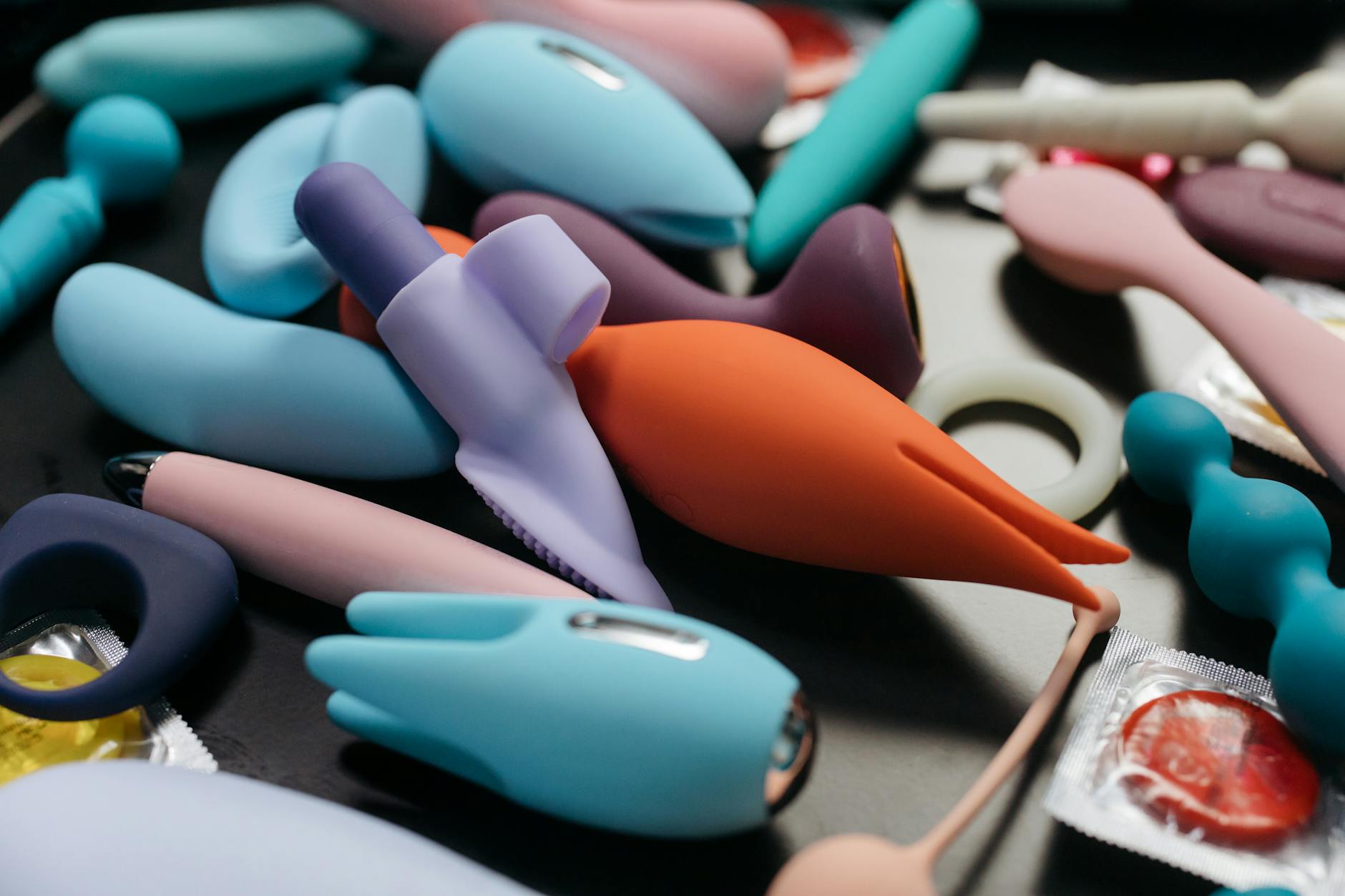
Lemon Vibrator for Sensitive Arousal When Touch Feels Too Intense
Direct touch can hurt or numb sensitive tissue. Here's how air-suction stimulation changes the game, and why a lemon clitoral vibrator might be the tool that finally works.
Let's be real. There's a particular kind of frustration that comes from wanting pleasure and having your body say no to the very thing that's supposed to create it. Direct vibration on sensitive tissue can sting. Rubbing can feel raw. Some days, even a partner's touch lands like static instead of sensation.
If you're nodding, you're not broken. You're dealing with one of the most underdiagnosed problems in pleasure: tissue sensitivity that conventional vibrators completely ignore.
There are roughly a dozen reasons your clitoris might feel oversensitive or unreceptive to direct touch. Hormonal fluctuations thin and plump vaginal tissue throughout your cycle. Post-orgasm, the area becomes genuinely hypersensitive for minutes to hours. Healing from infection, childbirth, or pelvic floor tension can make even light pressure feel sharp. Some people are simply born with denser nerve clustering in the area, meaning standard vibration intensity registers as overwhelming.
Anxiety, too, plays a huge role. When you're in your head worrying whether it'll hurt, your pelvic floor tightens defensively. Tight muscles reduce bloodflow, which reduces arousal, which makes sensitivity worse. It's a loop.
The point: your sensitivity is legitimate physiologically. And the solution isn't to "toughen up" your tissue. It's to find a tool that works with your actual sensitivity, not against it.
Here's the mechanical difference. Traditional vibrators oscillate back and forth at a set frequency. That oscillation makes direct contact with tissue. If tissue is tender or inflamed, that's literally friction on a wound.
Air-suction vibrators (like the lemon clitoral vibrator in the Shop Lemon Toys collection) work differently. Instead of vibrating side to side, they create rhythmic pulses of gentle suction around the clitoris. Think of it less like a buzzer and more like a soft, pulsing kiss. The suction draws the clitoris slightly into a chamber, stimulating the nerve endings without grinding against sensitive skin.
For people with sensitive tissue, this is radical. You're getting intense nerve stimulation without the friction component that causes pain.
The Lem's design solves three specific problems that sensitive people face.
First, the suction-based mechanism. Because stimulation happens through suction rather than direct oscillation, you get pleasure without pressure trauma. The tissue isn't being vibrated raw. It's being drawn gently into the device and stimulated in a completely different plane.
Second, variable intensity patterns. You don't start at level five and hurt yourself. The Lem has gentle, escalating patterns that let you work up to intensity instead of getting knocked sideways by full power. Patterns 1 through 3 are genuinely subtle. If you're new to this or dealing with active sensitivity, you'll spend weeks just at those levels.
Third, the shape. The wider opening of the Lem means you're not creating a vacuum that's too tight. Some air-suction designs pull so aggressively that sensitive tissue bruises. The Lem's geometry distributes suction more evenly, which feels safer on tissue that's already on edge.
If you've had bad experiences with vibrators causing pain, numbness, or irritation, here's the protocol.
Week one: pattern one, three minutes max. I'm not being precious about this. Your nervous system needs to learn that stimulation is safe. Three minutes at the gentlest setting, once daily if you want. The goal isn't orgasm. It's reassociation. You're teaching your body that something touching here can feel good, not threatening.
Week two: add pattern two, still three minutes. Pattern two adds a slight pulse rhythm. Your clitoris will start recognizing the pattern, and your nervous system will relax into it.
Week three and beyond: introduce duration, then intensity. Once five to eight minutes feels normal, start exploring higher patterns. By now, sensitivity usually drops dramatically. What felt raw in week one feels manageable in week three.
Watch for warning signs. If you experience bruising, persistent numbness, or pain that doesn't ease within the first two weeks, scale back. Some bodies genuinely do better with lower intensity long-term, and that's fine. You're optimizing for pleasure, not proving endurance.
Water-based lube isn't just nice to have. For sensitive tissue, it's protective. It reduces friction between the toy and any remaining micro-tears you might not even feel. It also creates a smoother surface for the suction to work against, which weirdly makes stimulation feel more intense despite being gentler.
Use it liberally. Reapply halfway through if things feel dry. This isn't about "needing" extra help. It's about removing a variable that complicates sensitivity.
Sometimes oversensitivity is a symptom of something that needs medical attention. If pain is sharp, localized, or appears suddenly when you usually don't have problems, see a gynecologist before diving into a new toy. Untreated yeast infections, bacterial vaginosis, or genitourinary syndrome masquerade as oversensitivity but require different solutions.
If you're on new medications, check whether sexual side effects are listed. Certain SSRIs, antihistamines, and blood pressure meds reduce arousal and increase sensitivity as a package deal. If that's you, a lemon clitoral vibrator helps, but you might also want to talk to your prescriber about dosing or timing.
Having a body that says no to what should feel good creates a particular kind of shame. You start avoiding touch because you're anticipating hurt. Your partner notices you're distant. You interpret their patience as pity. Pretty soon, the physical sensitivity is backed up by psychological armor.
Using a tool that finally works without pain is not just physical relief. It's permission to explore arousal again without bracing for hurt. That psychological shift often matters as much as the physical one.
If you're working with a partner, this is worth naming out loud. "I'm going to try something that lets me feel pleasure without pain. I'm excited about this." That framing turns it from "my body is broken" to "we're solving a problem together."
Suction-based stimulation draws tissue into a gentle chamber instead of vibrating it directly. There's no friction component against already-tender skin. For sensitive people, this is the difference between relief and pain. The nerve endings get stimulated through a different mechanism entirely.
Yes, but start slower. Pelvic floor tension makes sensitivity worse because tight muscles reduce bloodflow and arousal. Begin with just holding the Lem (powered off) to get your body used to the presence. Then use patterns 1 or 2 for under two minutes daily. Pair it with pelvic floor relaxation breathing if you're comfortable. Many people find that gentle, consistent exposure actually helps pelvic floor tension ease over time. If pain worsens, stop and work with a pelvic floor physical therapist alongside toy use.
The clitoris is often patchy. One quadrant might feel dead, another might feel too alive. Air-suction vibrators help because you can position the Lem to target the less-sensitive zone while the suction gently pulls blood and sensation into deadened areas. Try angling slightly to find the sweet spot where stimulation feels good without being overwhelming.
Most people report noticeable improvement within two to four weeks of consistent (but gentle) use. Your nervous system basically learns that this type of stimulation is safe and doesn't trigger protective tension. But everyone's timeline is different. Some people feel shifts in days. Others need months. Neither is wrong.
Temporary numbness right after use is normal and harmless. It's just your nerves being saturated with stimulation, like how your hand goes slightly tingly after holding something cold. It resolves within minutes to hours. Persistent numbness that doesn't resolve or spreads over time usually means intensity is too high or duration is too long. Scale back. The Lem's gentlest patterns shouldn't cause lasting numbness if you're listening to your body's signals.
Sometimes. Stress reduction, better sleep, addressing hormonal issues, working with a pelvic floor therapist, and psychological support all help. But if direct touch genuinely hurts, you're waiting for conditions to improve before you can explore pleasure. A lemon clitoral vibrator lets you engage with arousal right now, which paradoxically often speeds improvement because you're not avoiding the area. You're gently reintroducing it to sensation.
Your body's signals matter. If something hurts, that's information. But sensitivity isn't a life sentence, and it's definitely not a reason to stop exploring what feels good. Sometimes you just need a different tool. Sometimes that tool is as thoughtfully designed as the Lem, which exists specifically because conventional vibrators fail sensitive people.
Start gentle. Pay attention. Give your body time. And know that pleasure is still completely available to you, even if you have to get there a different way than you expected.